Friendship
When Your Child’s Best Friend Won’t Play With Them

By Dao, Founder · PhD in mathematics, former Director of Data Science at Uber and Capital One · LinkedIn ↗
The short version
- At ages 2–5, a best friend who “won’t play” is almost always about the moment, not the friendship — and it passes.
- Validate the hurt before you fix it: name the feeling first, then let them try again — don’t label the other kid “mean.”
- The genuinely hard skill is joining play already in progress — coach it by adding to their game, not barging in.
- A story starring a child like yours hands her the words for a big feeling — and reading it together is where the comfort lands.
Your kid climbs in the car, goes quiet, and says it: “[Friend] didn’t want to play with me today.” Breathe. Nothing’s wrong with her, and nothing’s wrong with you. At this age this is so normal it’s almost a rite of passage — and it’s not the rejection it sounds like. Here’s what’s really happening, and how to be the soft place she lands.
Here’s what’s really going on: at three or four, a “best friend” is mostly “my favorite person to play with right now.” Friendships flip day to day — best friend today, someone else by Thursday, friends again by Friday. So a “not today,” even from a beloved best friend, is almost always about this afternoon, not the friendship. The sadness is real. The meaning is smaller, and kinder, than it feels.
Part of our guide to social-emotional skills by age.
What’s normal at 2–3
They’re just learning to play together at all.
Twos and young threes are only beginning to truly play with other children rather than alongside them. A “friend” is really just whoever they’re sharing an activity with, and every turn-taking moment is brand-new — so they need a grown-up nearby to lend the words. [5]
Try this: Stay close during play, name the feelings out loud, and keep playdates short and sweet.
What’s normal at 3–4
The “you’re-not-my-friend-today” years.
To a three- or four-year-old, a friend is mostly “whoever I’m playing with right now,” so friendships flip fast and “you’re not my friend!” usually means “not what I want this minute.” They often sort it out and are playing together again within minutes. [1, 2, 3]
Try this: Don’t over-read a single “not today.” Reflect the feeling, then let them try again.
What’s normal at 4–5
Starting to see another point of view — but not all the way there.
Four- and five-year-olds are beginning to take another child’s perspective, but they still tend to assume a friend wants exactly what they want — so a different idea about how to play can genuinely upset them. Friendships steady as this skill grows. [4, 6]
Try this: Gently wonder together: “How do you think she was feeling?”
How to help (the part I wish I’d known)
- Validate first, fix second. Listen, and name it back — “that really hurt; you wanted to play and she said no.” Jump to solutions too fast and you solve the wrong problem. [7]
- Don’t label the other kid “mean,” and don’t rush in to fix it. Quietly keeping an eye on it — rather than stepping into every spat — teaches your child the skills, not blame. [3]
- Coach the genuinely-hard skill: joining play. Breaking into a game that’s already going is hard even for well-liked kids. The move that works is to watch what they’re playing and join in with their game — add to it, don’t barge in or take over. You can practice this together. [8]
- Widen the circle and rehearse. Low-key playdates outside school, simple turn-taking games, and a little puppet “what could you do?” play — and say it out loud: friendships have ups and downs. [9, 10]
See how the story walks her through it
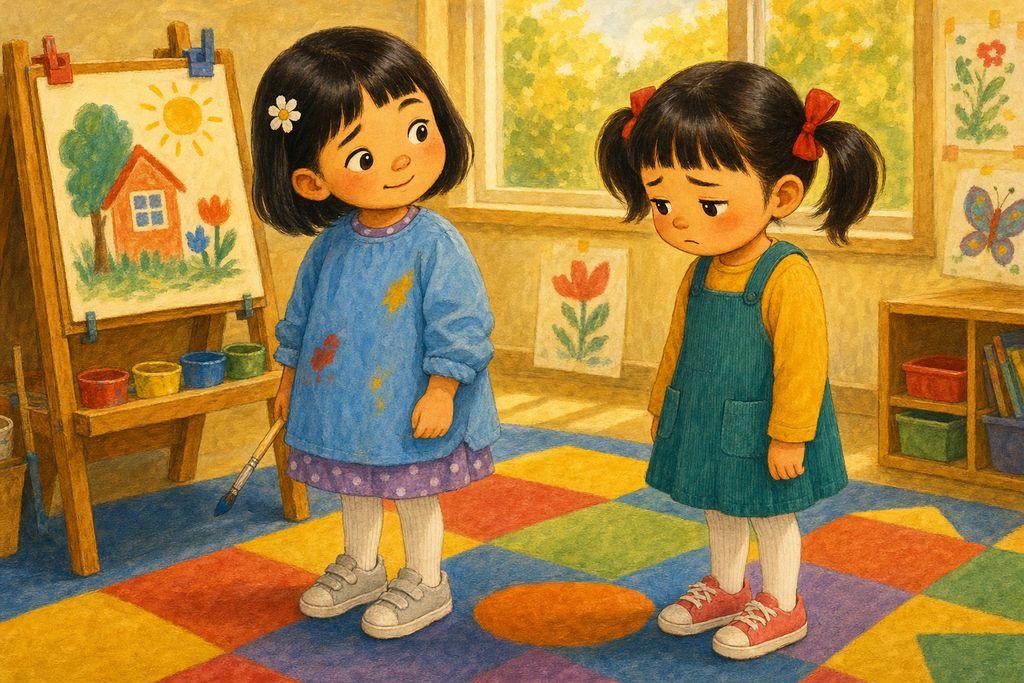
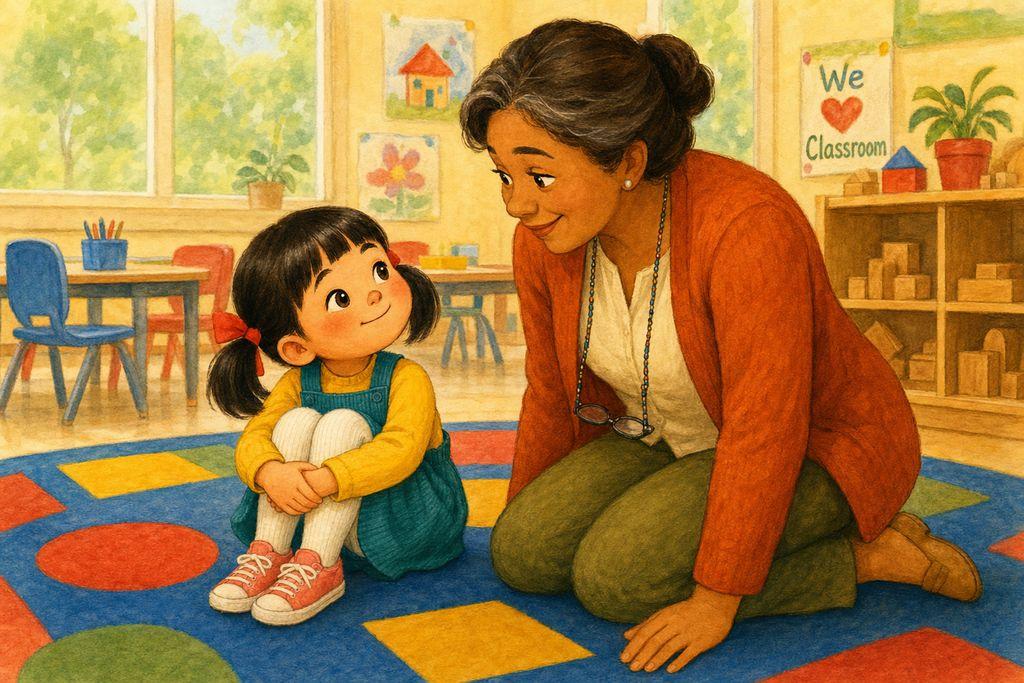
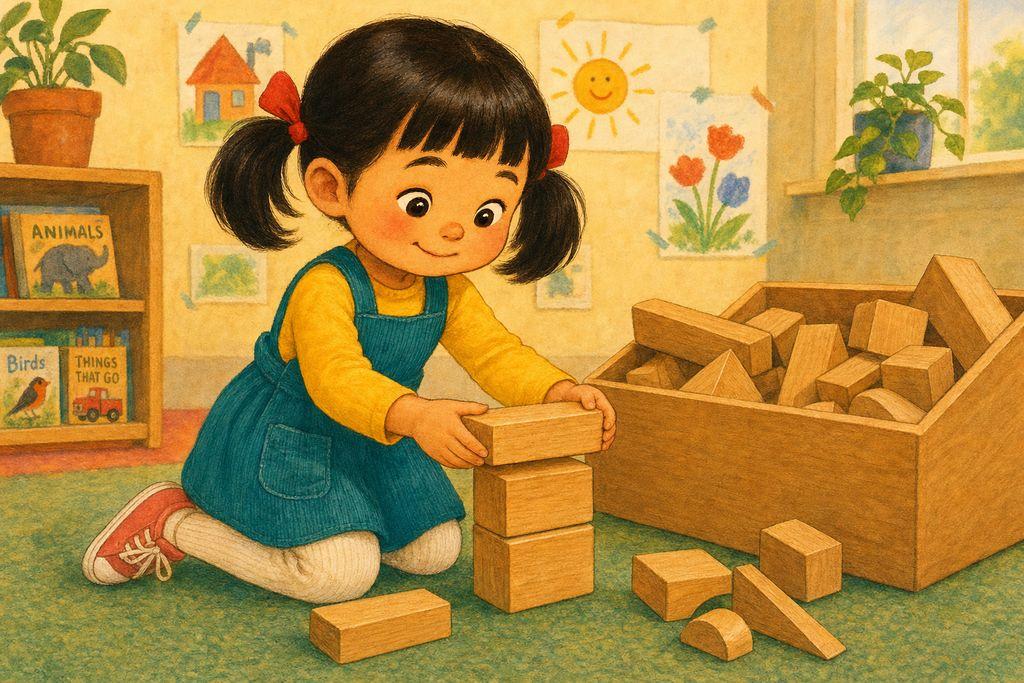
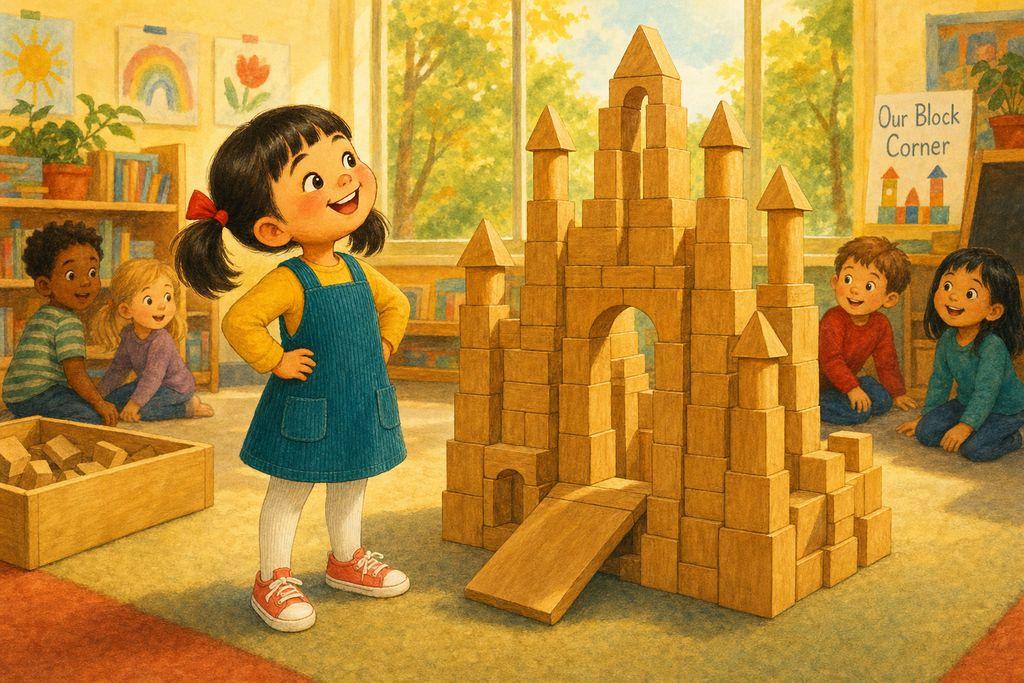
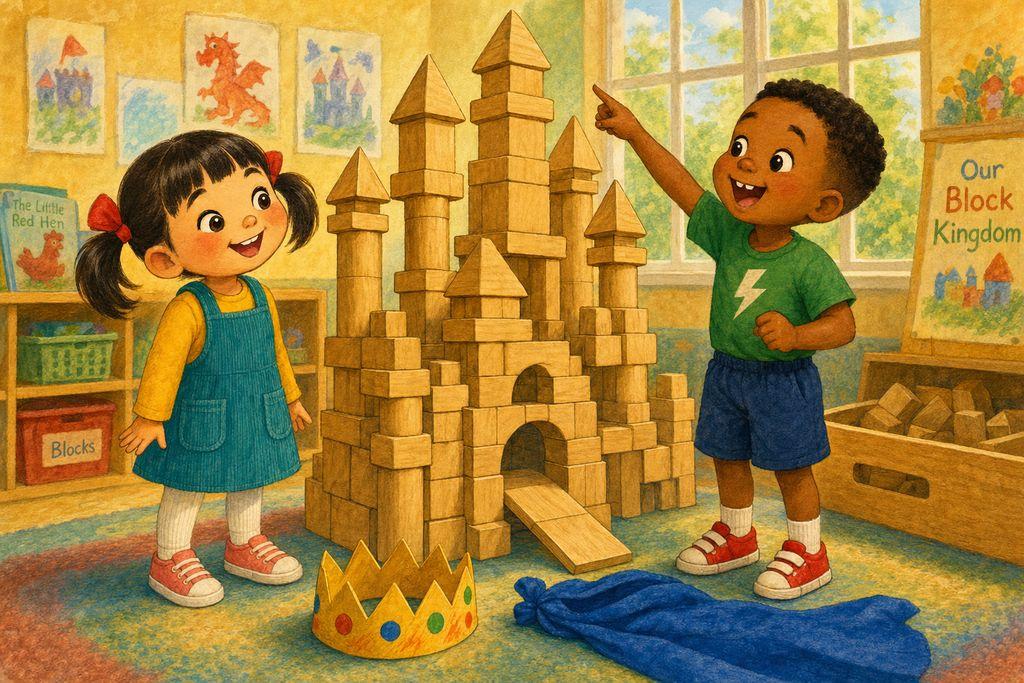

What this story is built to help with: A personalized storybook is the perfect way to give them that practice — your child as the hero who names the hurt, learns a friend can want something different and still be a friend, and finds the brave move back into play, long before the next hard day at school.
Can a story actually help? (More than you’d think)
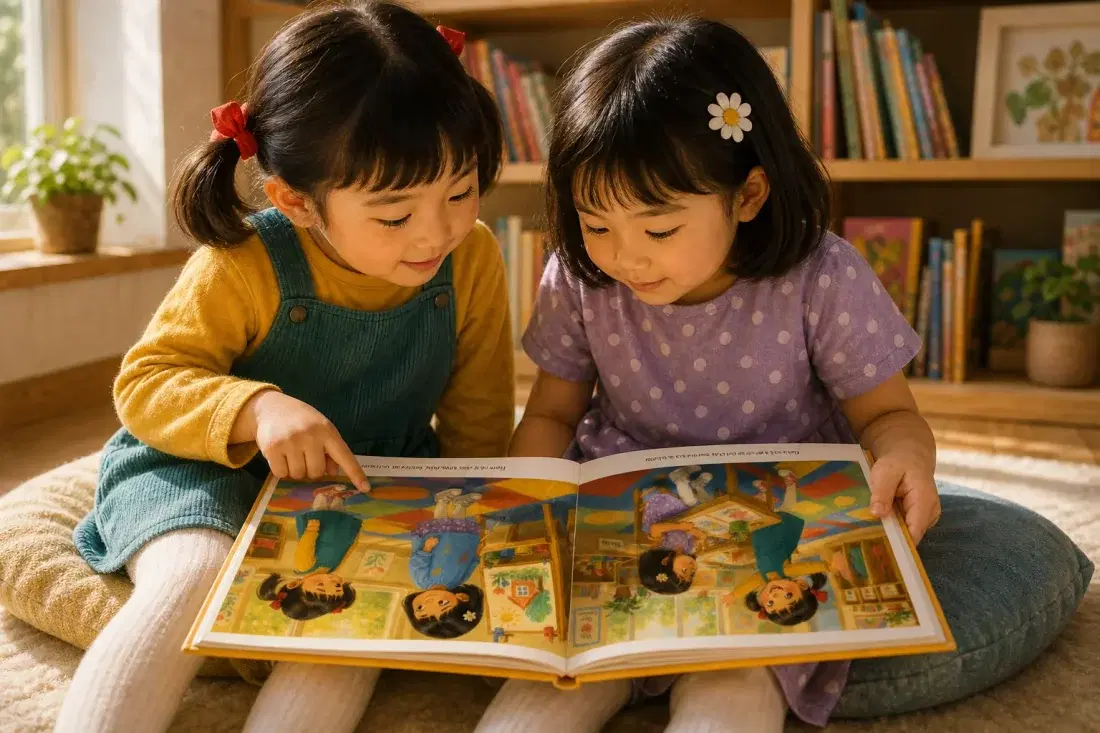
A story where a child like yours faces the same thing and gets through it hands your kid the words for a big feeling and a gentle, no-pressure way to talk about it. A child pays far more attention to a hero who feels like them — so it goes in, and reading and talking it through together is where empathy really grows. [11, 12, 13]
And the comfort is only part of it. Reading it together is pure bonding, they “read” it back by the pictures and fall a little more in love with books, and it’s screen-free — good food for their heart instead of another autoplay video. You and the story together are what make it land.
Quick answers
Is it normal my 3-year-old says “you’re not my friend”?
Very — at this age it usually means “not right now,” and they’re often friends again within minutes.
She says it’s her BEST friend — doesn’t that make it worse?
It stings more, but it isn’t worse news: at this age “best friend” is fluid, so a “not today” isn’t losing the friend — it’s about the moment.
Should I step in?
Mostly, quietly watch. Validate the feeling and coach the skills, but let them work out the small stuff themselves.
Will she grow out of it?
Yes. Friendships steady as kids get better at seeing another child’s point of view.
Who’s behind this
I’m Dao — a mom. I built PlotJoys’ very first book for my own daughter, on a night exactly like this one. That’s the whole reason it exists — and now it’s how I help other families through it too.
Tell us the moment in a sentence or two, add a photo, and see them drawn as the hero.
The research, if you want it
- Eileen Kennedy-Moore, PhD — “Children’s Growing Friendships” (Psychology Today, 2012), summarizing Selman’s friendship stages
- Robert Selman — “The Growth of Interpersonal Understanding” (1980): the idea of a friend matures in stages
- Raising Children Network (Australia) — “Preschoolers making friends”
- American Academy of Pediatrics — “Social Development in Preschoolers” (HealthyChildren.org)
- Zero to Three — “24–36 Months: Social-Emotional Development”
- PBS KIDS for Parents — “Social Skills: Friendship at Age 4”
- Child Mind Institute — “How to Help Kids Who Are Lonely”
- Putallaz & Gottman (1981) — “An Interactional Model of Children’s Entry into Peer Groups,” Child Development
- Sanford Health News (2024) — “Preschool friendship: Social skills start in early childhood”
- American Academy of Pediatrics — “What Parents Can Do to Support Friendships” (HealthyChildren.org)
- Schapira & Grazzani (2025) — shared book reading and social-emotional competence, Frontiers in Psychology
- Larsen, Lee & Ganea (2018) — character similarity and prosocial behavior, Developmental Science
- Dore (2022) — character similarity and learning from stories, Journal of Experimental Child Psychology