New Baby
Books to Prepare Your Toddler for a New Baby

By Dao, Founder · PhD in mathematics, former Director of Data Science at Uber and Capital One · LinkedIn ↗
The short version
- The clinginess and the “baby again” regression are normal — your child checking they still matter, not a crisis.
- It usually eases within months; in research, nearly half of families saw few changes at all.
- What helps most: tell them early, protect one-on-one time, give them a real big-sibling role, and name the feelings.
- A book is a top-recommended way in — and one starring your child by name makes the reassurance land on them, not a stand-in.
You’re growing your family — and quietly bracing for how your firstborn will take it. The clinginess, the jealousy, the sudden “baby again” backslide: it’s real, it’s normal, and underneath it all is one tender question — am I being replaced? Here’s the reassuring part: it usually eases within months, a book is one of the simplest and most-recommended ways in, and a book starring your own child by name does something a generic one can’t.
First, the relief: the new-sibling wobble is rarely a crisis. Researchers who followed firstborns through a sibling’s arrival found the most common change is a temporary dip in cuddliness with mom — and that the largest group of families, around 47%, saw few changes at all. The clinginess and the backslide aren’t your child coming undone; they’re a one-to-five-year-old asking, in the only language they have, “do I still matter?” The answer is yes — and you get to keep saying it, out loud, all the way through.
Part of our guide to social-emotional skills by age.
The best books to prepare a toddler for a new baby
Experts put “read books about the new baby” near the top of every prepare-your-toddler list — a story makes the abstract (“a baby is coming”) concrete and hands your child the words before the change arrives. These are the ones worth reading, roughly in the order the months unfold.
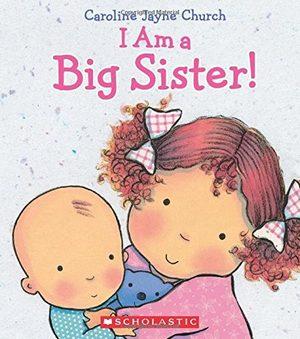
“I Am a Big Sister” / “I Am a Big Brother” by Caroline Jayne Church (ages 2–5) — The gentle before-the-baby primer for the youngest: big-sibling-hood as a proud, capable job (“I can help when baby feeds”), so the baby reads as a role to grow into, not a rival.
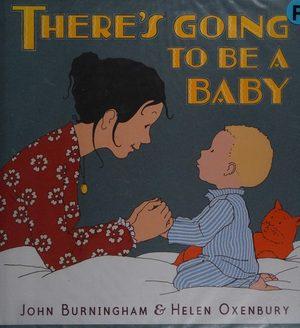
“There’s Going to Be a Baby” by John Burningham & Helen Oxenbury (ages 3–7) — For the waiting months, told with rare honesty — it names the ambivalence a child feels, not just the joy, and lands gently on welcome.
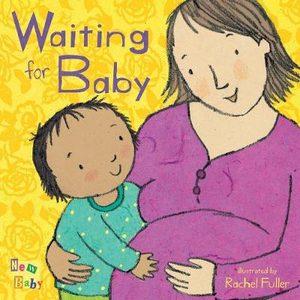
“Waiting for Baby” by Rachel Fuller (ages 2–4) — A sturdy board book built for the youngest end — one idea per page, conversational text designed to spark “what are we doing to get ready?” talks during pregnancy.
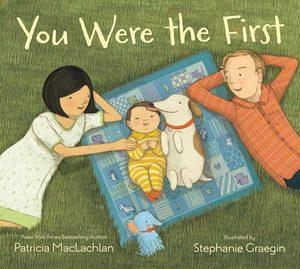
“You Were the First” by Patricia MacLachlan (ages 3–6) — The reassurance book: a warm tribute to all the firsts the firstborn gave you, securing their place so the new baby doesn’t read as a demotion. (From the Newbery-winning author of “Sarah, Plain and Tall.”)
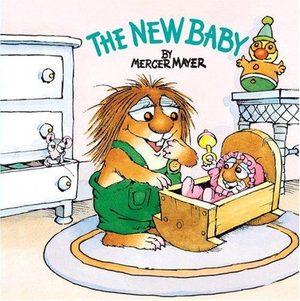
“The New Baby” by Mercer Mayer (ages 3–7) — For the weeks after baby comes home: Little Critter is frustrated the baby ignores his jokes — it validates the “this baby is boring” letdown and models real ways to bond.
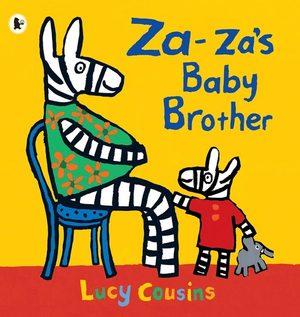
“Za-Za’s Baby Brother” by Lucy Cousins (ages 2–5) — Names sibling jealousy head-on — Za-za feels displaced, demands a cuddle, and is drawn into caring for the baby. Resolves the hard feeling through inclusion, not dismissal.
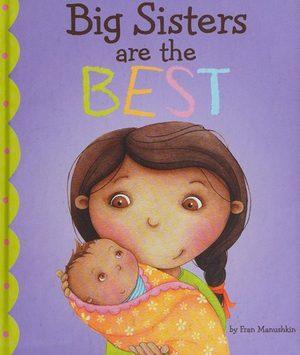
“Big Sisters Are the Best” / “Big Brothers Are the Best” by Fran Manushkin (ages 2–5) — The most practical: it spells out what big kids can do that babies can’t (and why the baby cries) — building pride while teaching the house rules: be gentle, be quiet at naptime.
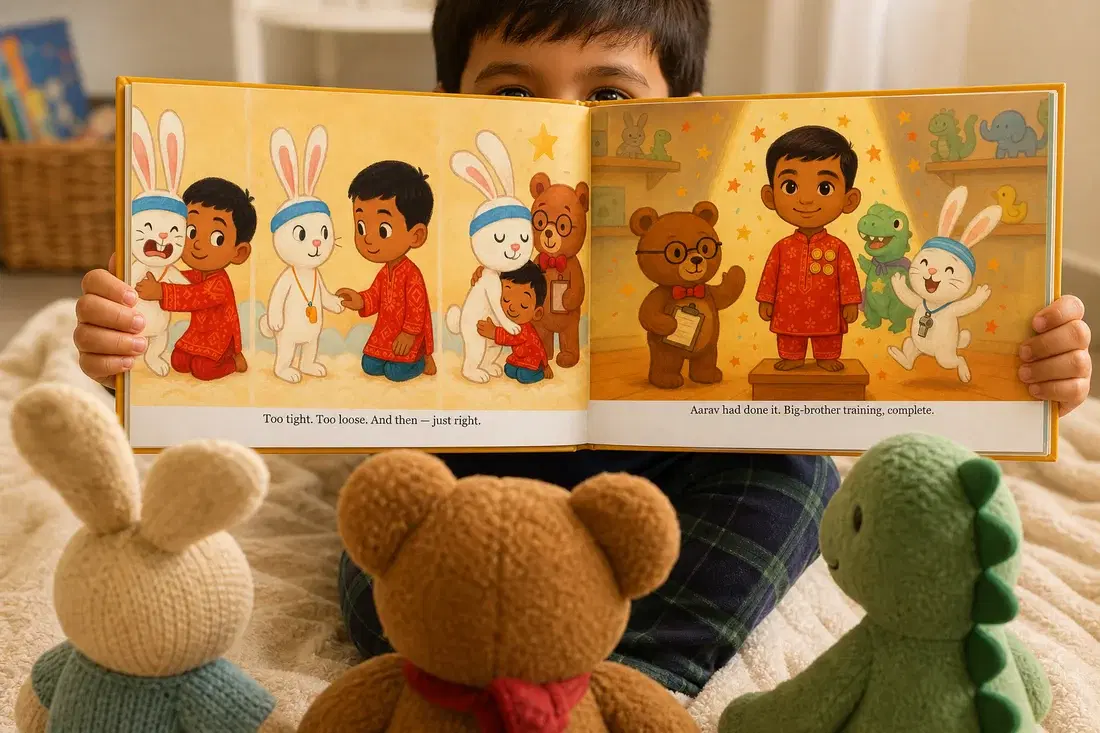
Every one of these hands your child a big-sibling hero to look up to. The personalized version makes that hero them — like “Brother Academy,” our own new-baby story below, where your child (not a stand-in) trains to be gentle, silly, and patient with the baby, and the reassurance is spoken to them by name. Read alongside the classics, it’s the one where the ready big sibling is yours.
Under 2: it mostly mirrors you
Too young to dread it — old enough to read your face.
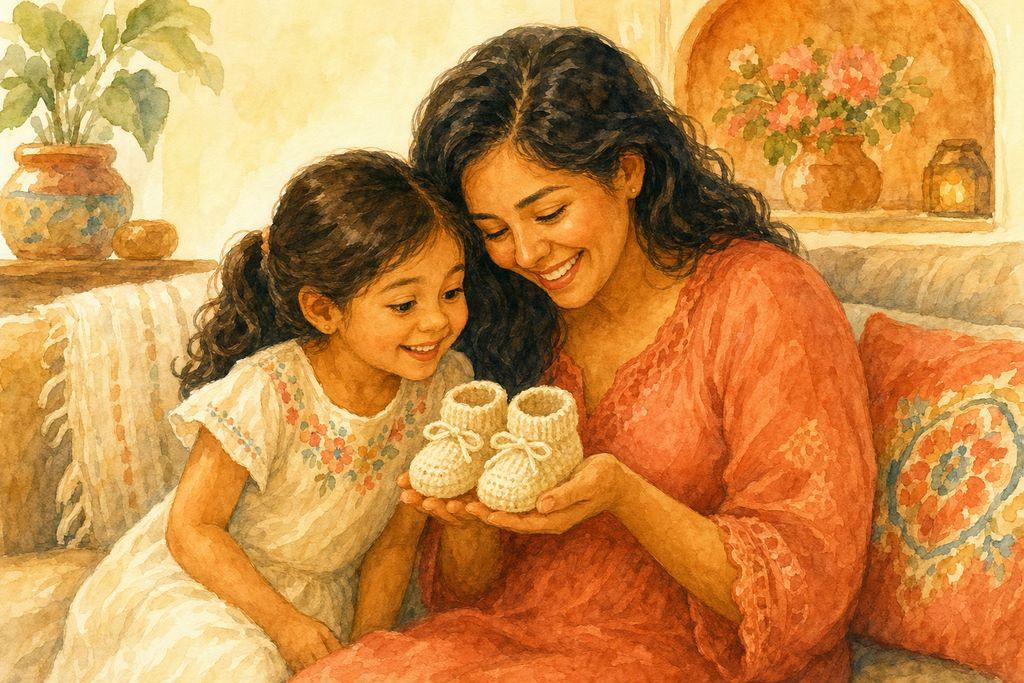
A baby is an abstract idea to a child this young, so their reaction mostly mirrors yours — a parent who models calm excitement helps the toddler feel it too. The reassuring data: children under two show a smaller dip in closeness with mom after the birth than older children do. [1, 4]
Try this: Keep your own tone warm and matter-of-fact, hold routines steady, and let them feel the baby kick — concrete beats abstract at this age.
2 to 3: the peak — and the most regression
The hardest stretch, and the most textbook.
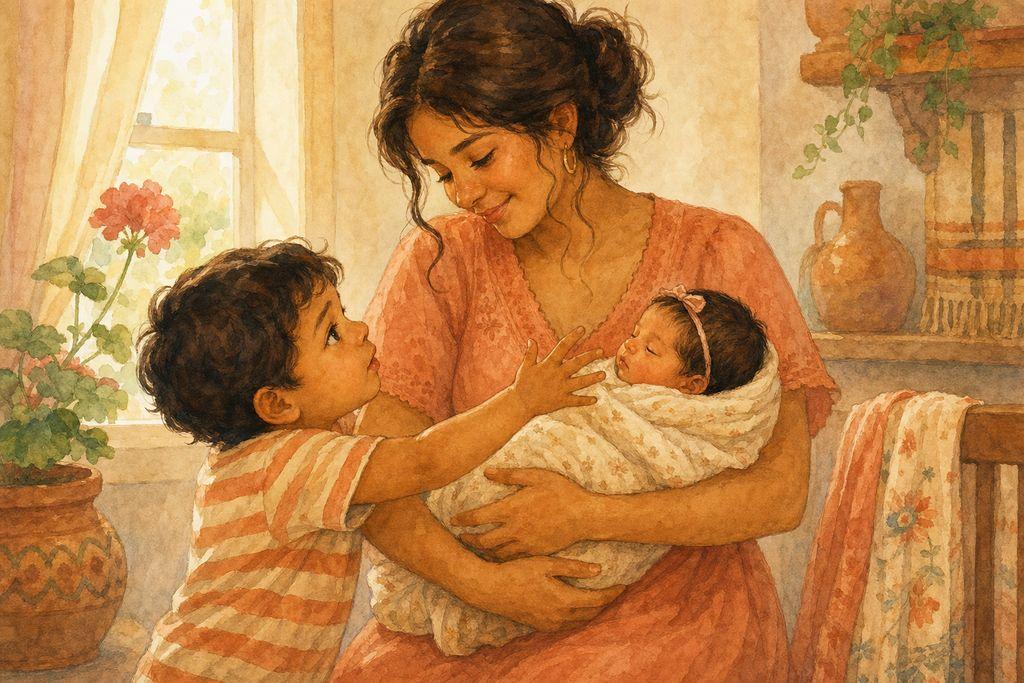
Two- to four-year-olds are still learning to share and may feel they have to compete for your attention, and changes to the routine are genuinely hard. This is also where regression peaks: in research, toileting accidents were most common for two-year-olds, and children over two showed a bigger dip in attachment security than younger ones. Some backslide — accidents, baby talk, wanting a bottle — is normal, and it’s their way of checking that they still have your love. [1, 4]
Try this: Protect a little one-on-one time every day, and stay calm and steady about the baby behaviors rather than shaming or over-indulging them.
3 to 4: clingier, but more words
Big enough to help, still wired to flood.
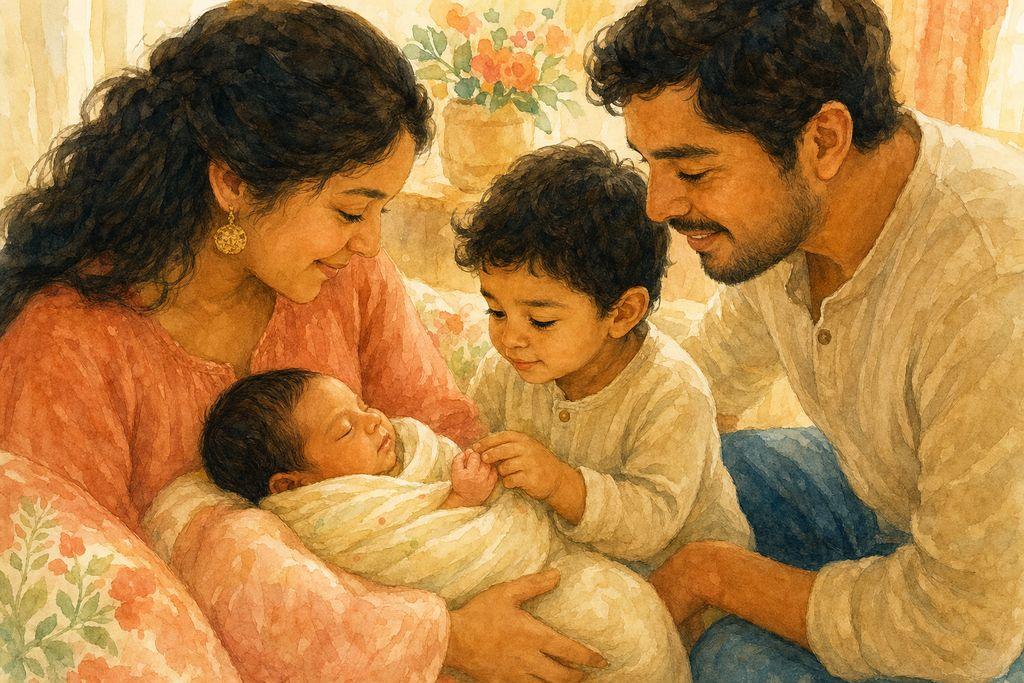
Threes and fours tend to be clingier than two-year-olds but have fewer accidents — and they’re developing the ability to understand that the baby is a real person with feelings of their own (a leap that begins around 18 to 24 months). That growing empathy is exactly what a big-sibling role can nurture. [4, 6]
Try this: Name the feelings out loud (“you’re a little jealous — that makes sense”), and give them a real, age-sized job with the baby.
5 and up: less threatened, still watching
More secure — but counting who gets the attention.
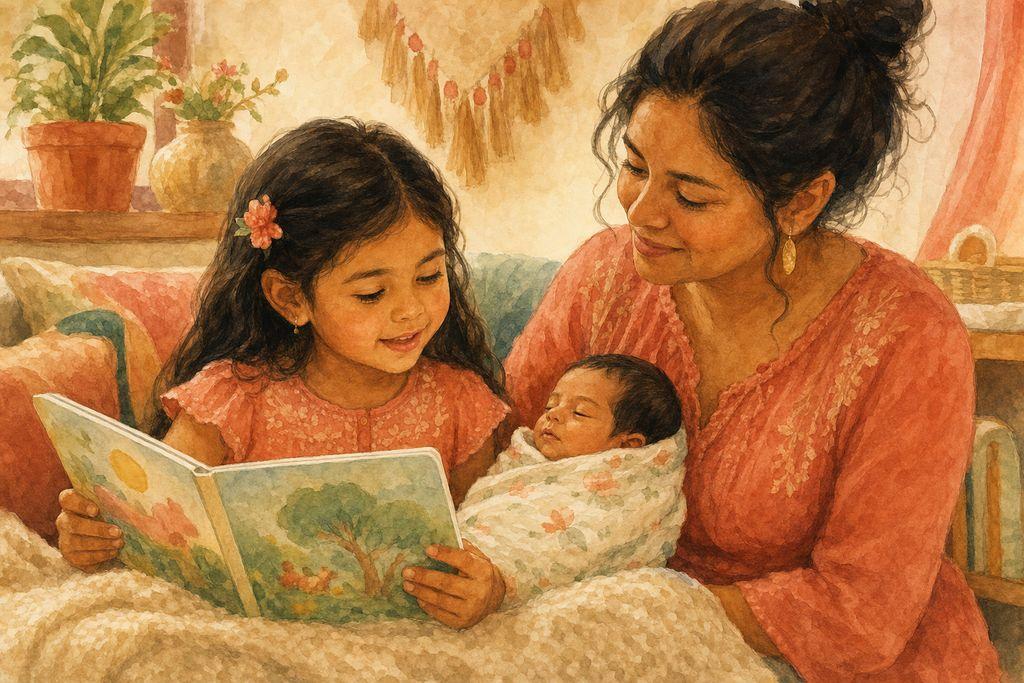
By five, children are usually not as threatened by a new baby — but they may quietly resent the attention the baby gets. The need shifts from “do I still matter?” to “am I still special?” [1]
Try this: Lean into the big-sibling identity — a real helper role, being “in charge” of one small thing — and guard a pocket of time that’s just theirs.
What actually helps (before and after the baby)
- Tell them early, and frame it as a gift, not a loss. Experts advise telling your child as the pregnancy begins to show rather than waiting — kids sense the change, and the not-knowing is its own anxiety. Keep it warm: “there’s one more person in our family to love.” [3]
- Protect one-on-one time — before and after. A small, predictable pocket of you (reading, a game, a walk) becomes a constant the child can count on: something they had before the baby and get to keep after. It quietly says “this time is protected, for you.” [1, 3]
- Give them a real role. Invite them to help in age-sized ways — choosing the baby’s socks, holding the towel at bath time, picking the bedtime book. Feeling included instead of shooed away builds the bond and shrinks the jealousy. [1]
- Name the feelings — don’t shame them. Jealousy and confusion are normal; shaming them only adds anger. Say the feeling for your child (“you wish you could have me all to yourself”) — naming it is the first step to managing it. [2]
- Stay matter-of-fact about the backslide. Respond calmly to accidents, baby talk, or bottle requests without a big reaction — the steadier and less dramatic you are, the faster the baby behaviors fade. Resist the guilty urge to drop all the limits. [5]
- Make babies real before the baby comes. Point out babies when you’re out, visit a friend’s newborn, talk about what babies can and can’t do — and read books about becoming a big sibling, which build familiarity with the very words (“sister,” “brother,” “new baby”) the change is about. [2, 1]
See a big-sibling story — “Brother Academy”
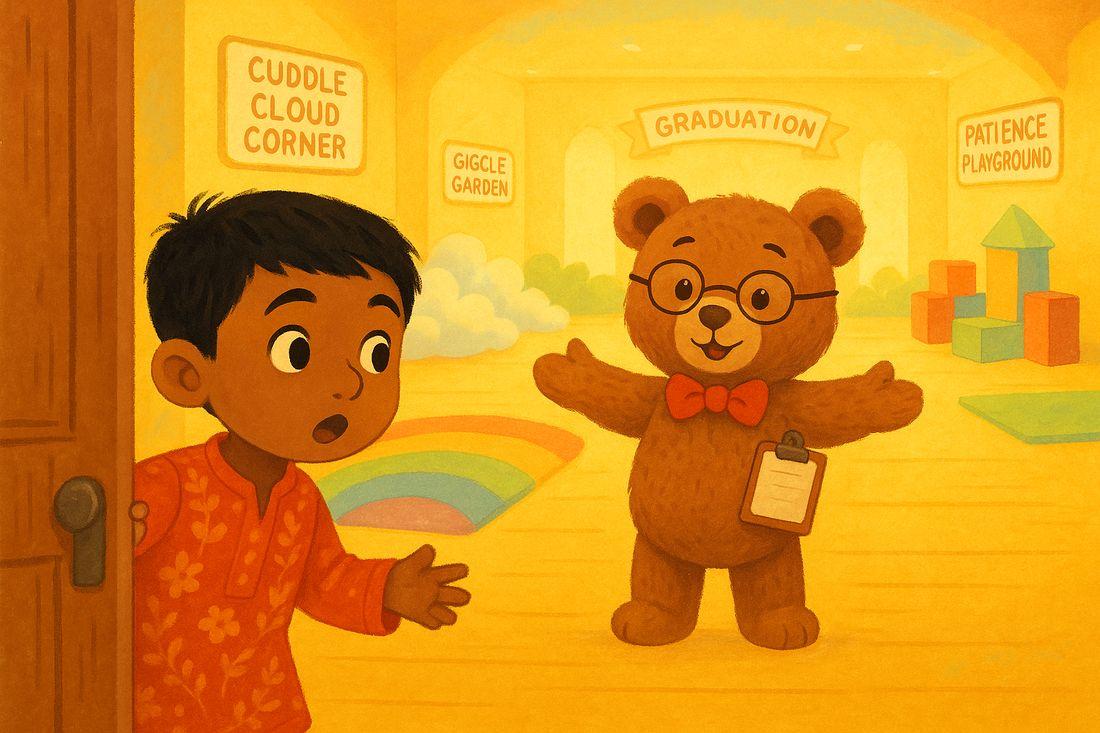
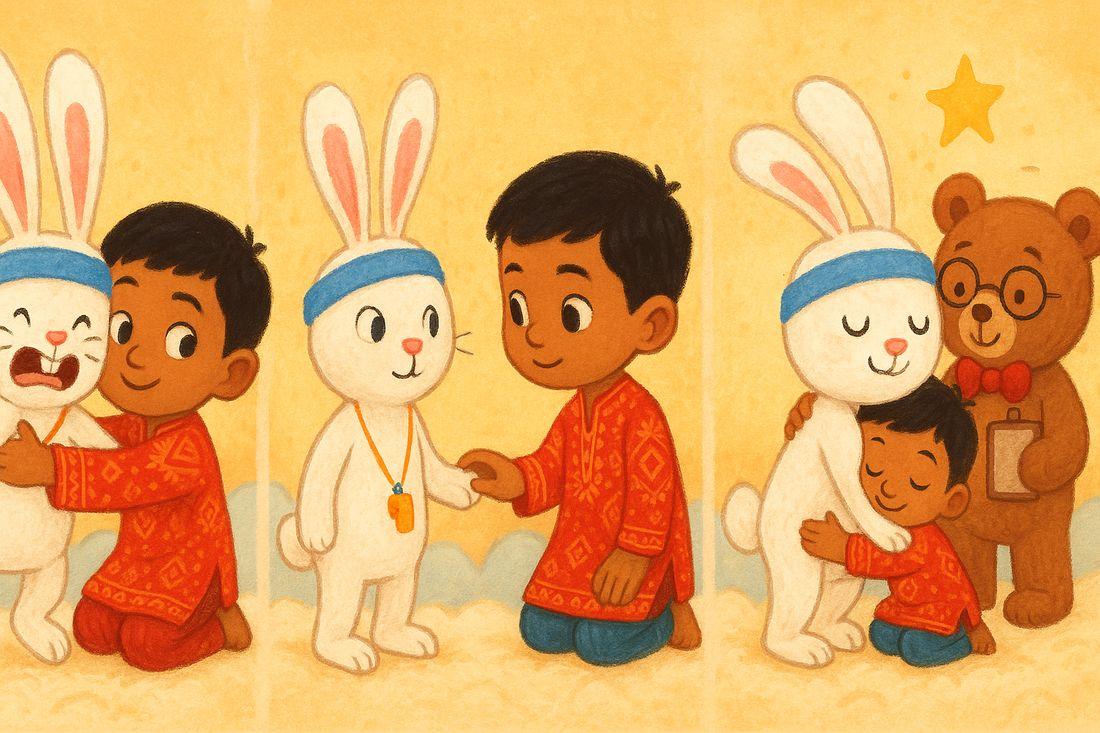
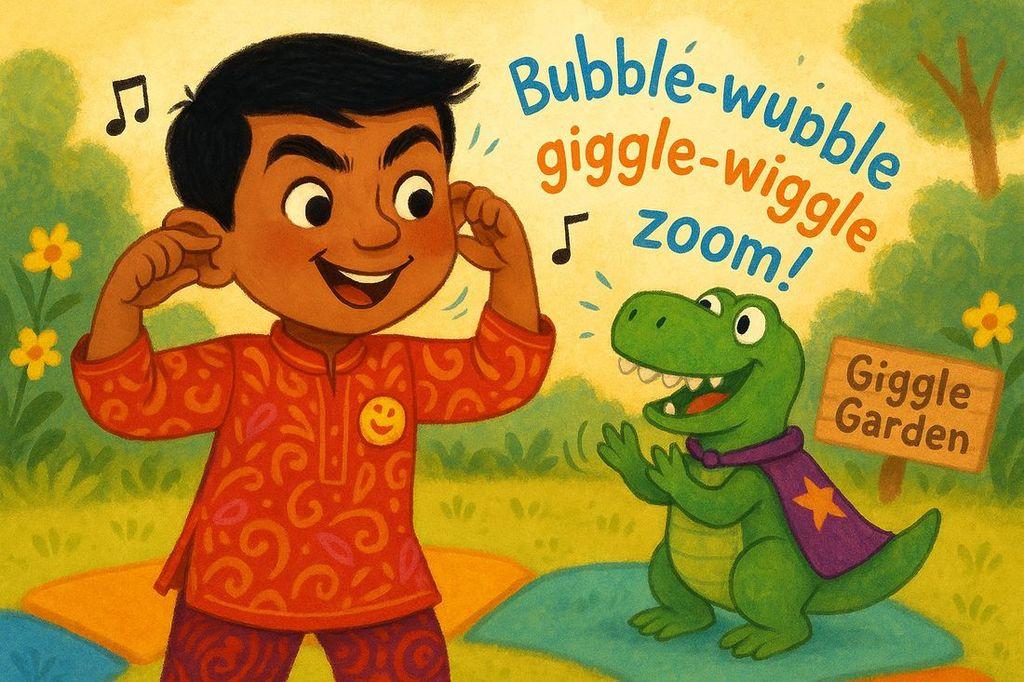
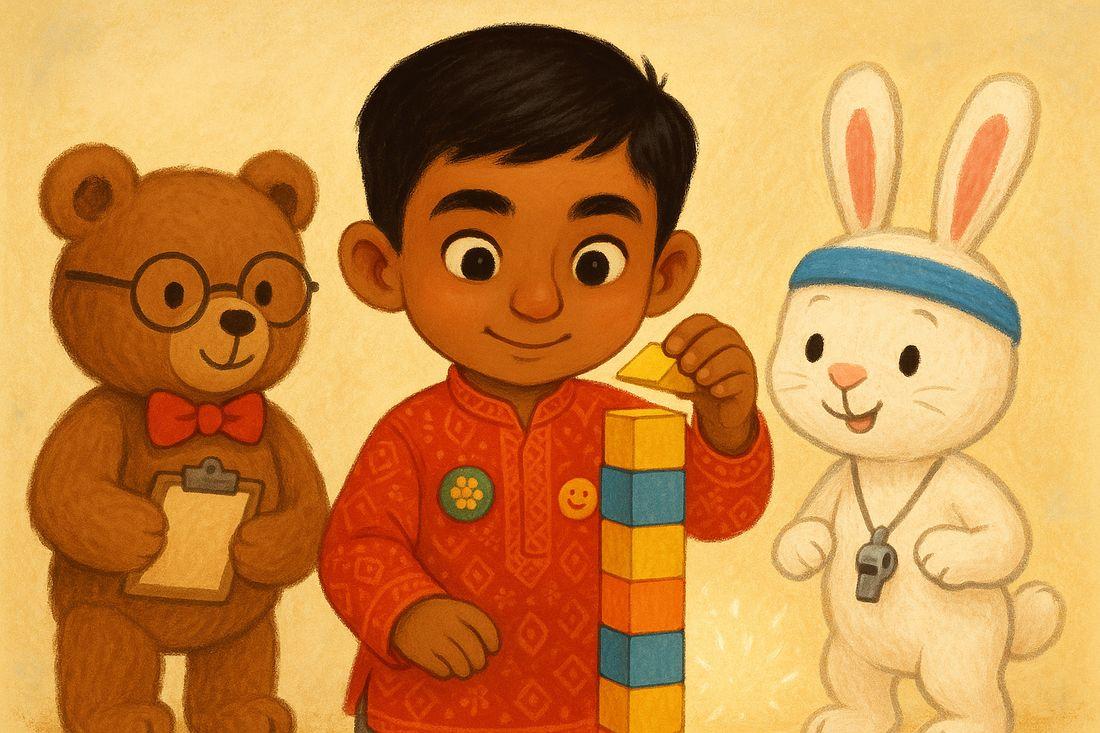
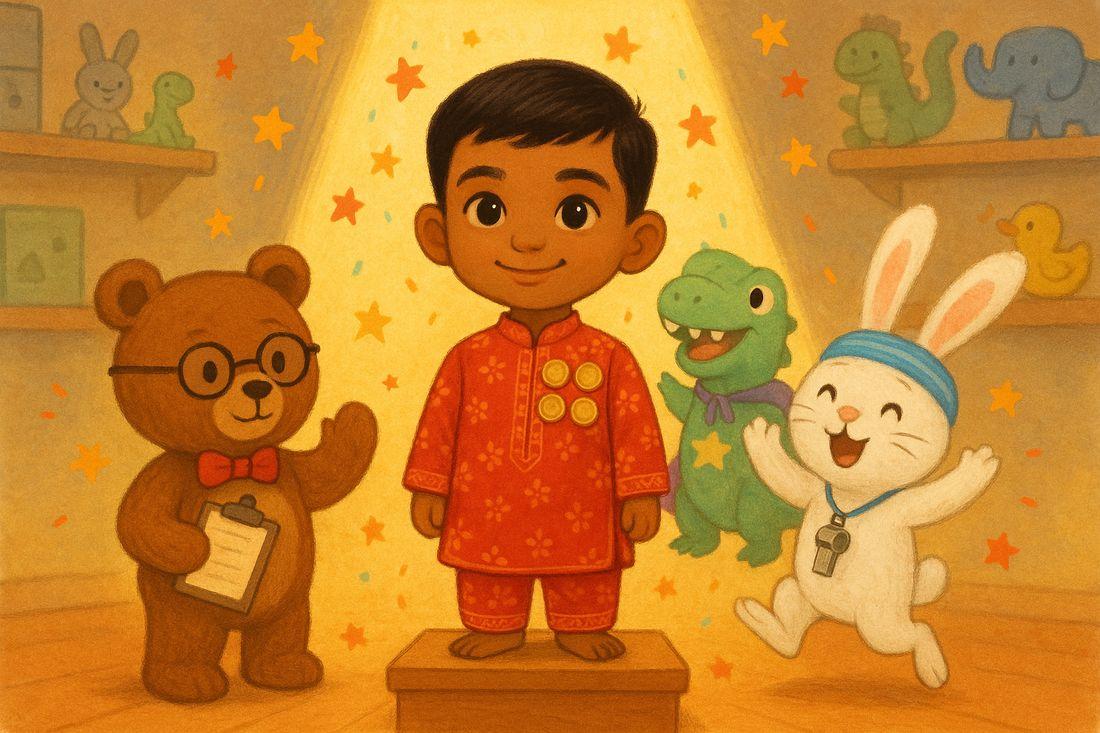
What this story is built to help with: A personalized storybook is the perfect way to deliver it — your child as the hero of the new-sibling story, handed a big-sibling role to be proud of and the feeling that they are ready, not replaced.
Why a book — and why one with their name in it
Reading books about a new brother or sister is one of the moves pediatric and early-childhood experts recommend most — it makes the change familiar and gives a small child the words for it (“sister,” “new baby”) before it arrives. And the talking is the active ingredient: when a grown-up reads and names the characters’ feelings out loud, children measurably grow their emotion vocabulary and their ability to understand how someone else feels. A personalized book — with your child as the one the story is speaking to — is the easiest place in the world to have that conversation. [1, 7]
Here’s the part a generic book can’t do. A toddler’s worry usually isn’t “a baby is coming” — it’s older and deeper, the thing child psychologists have long called the firstborn’s “dethronement”: am I still the one you love? It’s not just a turn of phrase — the most consistent change researchers find after a new sibling arrives is a temporary dip in the firstborn’s own closeness with mom. In a stock big-sibling book, your child watches some other kid be the hero of that story. Put your child’s own name and face in it and the reassurance — you still matter, you have an important new job — is spoken to them, not to a stand-in. There’s even a tidy bit of science behind it: young children remember information tied to themselves better than information tied to someone else (the “self-reference effect”). Read it together and the reassurance lands twice — from the hero who is them, and from you, reading and talking alongside them. That double dose is what makes it stick. [4, 9, 8]
Quick answers
When should I tell my toddler about the new baby?
Early — around when the pregnancy starts to show. Young kids sense that something is changing, and not knowing is its own kind of worry. Tell them warmly and simply, and keep building familiarity from there.
My potty-trained toddler started having accidents again. Is that normal?
Very. Regression — accidents, baby talk, wanting a bottle — is one of the most normal responses, and it’s your child’s way of checking that they still have you. Stay calm and matter-of-fact and it tends to fade faster.
How long does the adjustment usually take?
For most families it eases within a few months, and settles further across the first year. Large studies also find the transition isn’t a universal crisis — nearly half of families see few changes at all.
Do books really help, or is it just cute?
They genuinely help — experts recommend them as a core preparation tool, because they make the change familiar and give you a natural way to name feelings. A book starring your own child adds attention and stickiness on top; the reassurance still comes from you, reading it together.
Who’s behind this
I’m Dao — a mom, and the founder of PlotJoys. I make personalized storybooks where your child is the named, illustrated hero, because when a big change is coming, the most reassuring thing a little one can hear is their own name in the story — “you still belong, and now you have an important new job.” That’s the quiet magic of a book made just for them.
Tell us the moment in a sentence or two, add a photo, and see them drawn as the hero.
Keep reading
The research, if you want it
- American Academy of Pediatrics, HealthyChildren.org — “Preparing Your Older Child for a New Baby”
- ZERO TO THREE — “Preparing Your Older Child for the Arrival of a New Baby”
- Child Mind Institute — “Preparing Your Child for a New Sibling”
- Volling, “Family Transitions Following the Birth of a Sibling: An Empirical Review” (NIH/PMC, peer-reviewed)
- ZERO TO THREE — “When Is He Going Back in Your Belly? Helping Older Siblings Adjust”
- ZERO TO THREE — “How to Help Your Child Develop Empathy”
- Mira-Galvañ et al., “Shared book reading and promoting social and emotional competences” (NIH/PMC, peer-reviewed)
- Adrián, Clemente & Villanueva, “Parent–child picture-book reading, mothers’ mental-state language and children’s theory of mind” (PubMed, peer-reviewed)
- Cunningham et al., “The self-reference effect on memory in early childhood” (PubMed, peer-reviewed)