Toddler Behavior
How to Stop a Toddler From Hitting: The Gentle Hands Method

By Dao, Founder · PhD in mathematics, former Director of Data Science at Uber and Capital One · LinkedIn ↗
The short version
- Hitting isn’t bad behavior — it’s feelings outrunning words and brakes, a normal phase that peaks around 2 to 4 then fades.
- The goal isn’t to stop the feeling — it’s to give the hands a better job, calmly and on repeat.
- What works: a calm “no hitting — gentle hands,” name what TO do (not just “stop”), praise the gentle moments, and rehearse when calm — not mid-meltdown, when no teaching lands.
- A story where your child is the hero who feels mad and chooses gentle hands pre-loads the words, so they’re there before the next frustration.
Your sweet kid just hauled off and hit — and you’re wondering what you did wrong. Almost certainly nothing. Hitting, biting, and pushing are what big feelings look like when they’ve outrun a toddler’s words and their not-yet-built brakes. It peaks somewhere around two to four and fades on its own as language and self-control catch up. Your job isn’t to stop the feeling — it’s to teach the hands a better job, calmly, over and over. Here’s how, by age, and the one tool the advice usually skips: rehearsing when everyone’s calm.
First, the relief: a toddler who hits isn’t a “bad kid,” and you aren’t failing. Researchers who track this find physical aggression is a normal phase — it rises through the first couple of years, peaks, then declines steadily for the vast majority of kids as they grow. What looks like aggression is a child with adult-sized feelings and a baby-sized vocabulary, using the only tools they’ve got. Give them better tools and the hitting fades — that’s the whole job.
Part of our guide to social-emotional skills by age.
1 to 2: hands before words
The feelings are big; the words aren’t here yet.
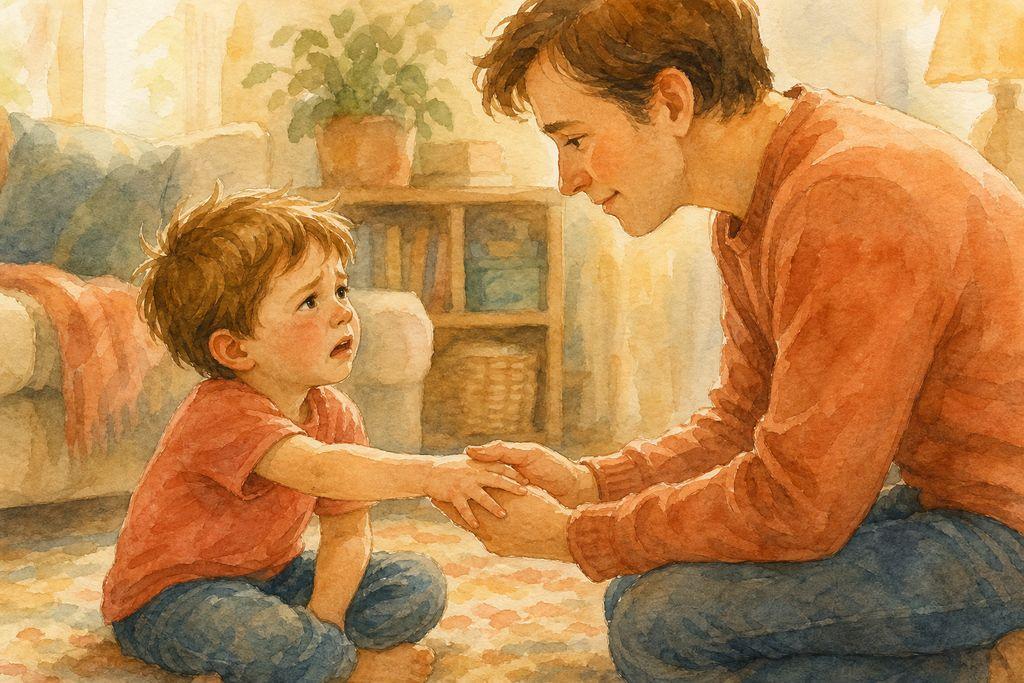
Late in the first year and into the second, hitting and grabbing show up because a toddler has strong feelings and almost no language to spend them — and tantrums at this age are normal and, per the CDC, get shorter and less frequent as kids grow. A hit means “I’m mad,” “move,” or “I want that.” [1, 3, 8]
Try this: Keep your own voice calm and put the feeling into words for them — you’re lending the words they don’t have yet.
2 to 3: the peak
Usually the most of it — and textbook.
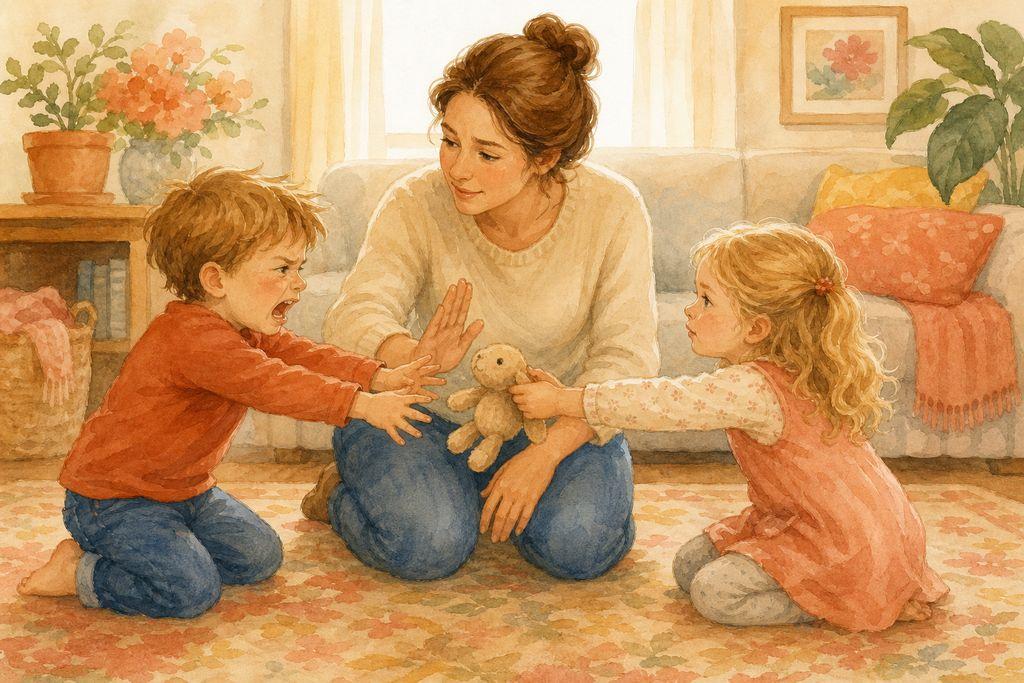
Aggression most often peaks around two, when big feelings collide with not-yet-there language and impulse control. The hopeful flip side, also on the CDC’s list: around two your child starts to notice when someone else is hurt or sad — the first foothold of the empathy that eventually replaces the hitting. [1, 4]
Try this: In the moment, stay matter-of-fact: “no hitting — hitting hurts,” as you gently move their hand back to their side. Then, when everyone’s calm, practice the better move.
3 to 4: the words catch up
More language, fewer fists.
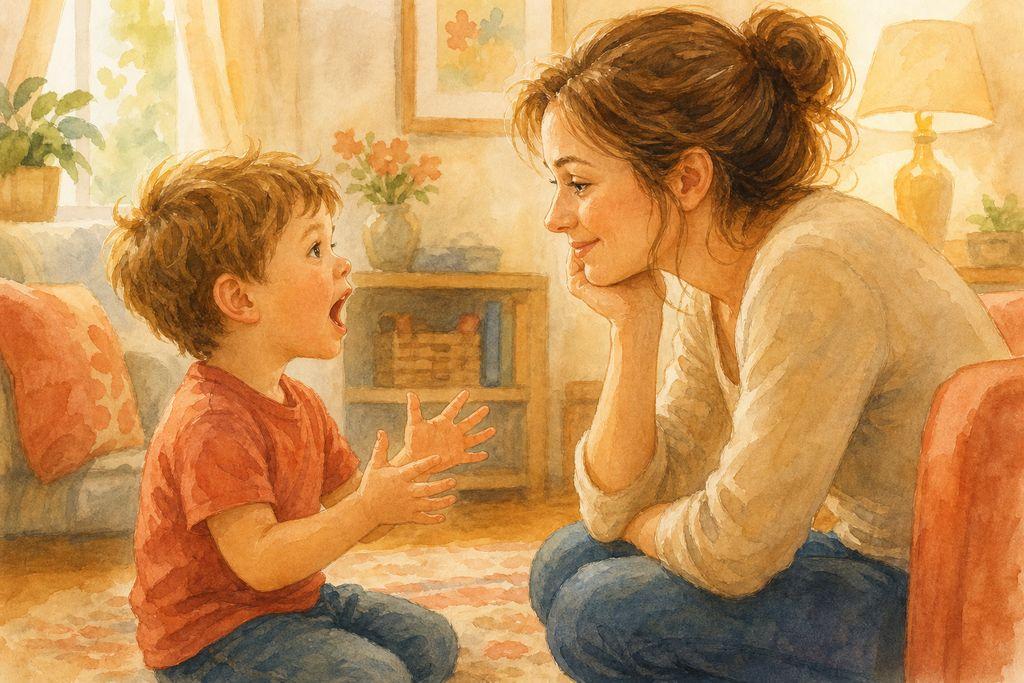
As language and self-control grow, the hitting tapers — threes and fours can increasingly tell you “I’m mad!” instead of showing you. It won’t be perfect (the brakes are still being built, often into the school years), but the trend is down. [2, 8]
Try this: Coach the swap out loud: “you can say ‘I’m mad’ or ‘I want a turn’ — your words are strong.” Then catch and praise it every single time they use them.
4 and up: it fades — and when to check in
Mostly gone — and here’s the line for “not typical.”
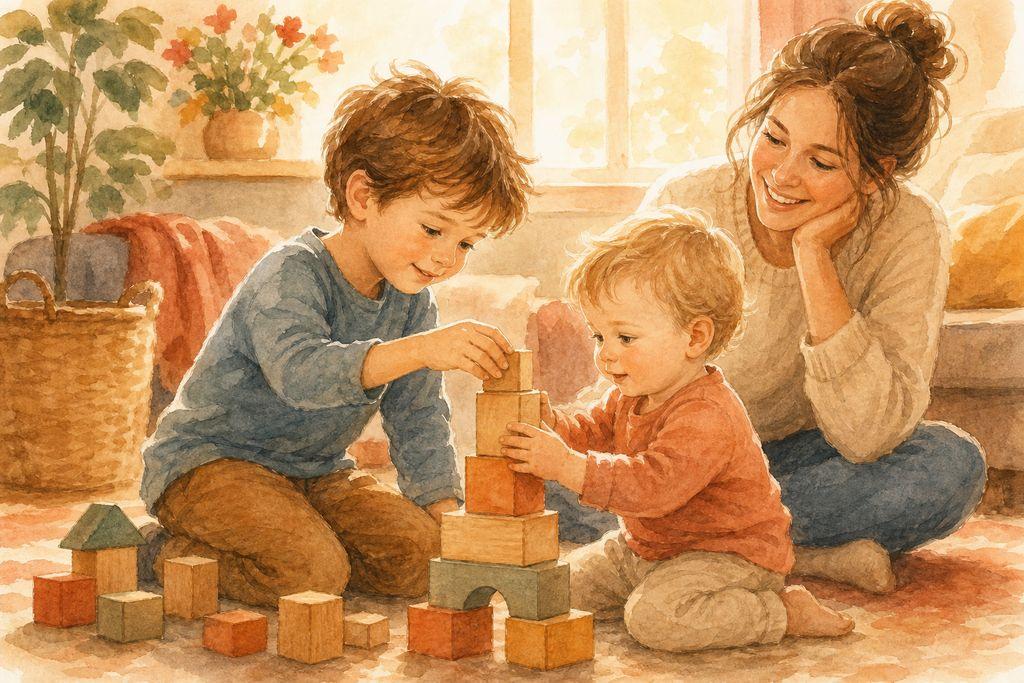
By the preschool years most children have largely traded hitting for words, and aggression keeps declining from school age onward. Occasional slips are still normal. What’s worth a call to your pediatrician: aggression that’s intense, lasts more than a few weeks, hurts people, or gets your child barred from play or school. [8, 2]
Try this: Keep modeling your own calm under frustration — at this age your example teaches more than any consequence.
How to teach gentle hands (that actually works)
- Stay calm, name the limit + the redirect. A calm, firm (not angry) “no hitting — hitting hurts” as you gently move their hand back to their side. Your calm is the lesson; a big angry reaction just adds fuel to the fire. [1]
- Say what TO do, not just “stop.” Kids know what “no” means but not what to do instead — so hand them the alternative: “use gentle hands.” Always pair the stop with a do. [5]
- Catch the gentle moments and praise them. Praise for safe, kind hands is one of the strongest tools there is — name it the second you see it, instead of only ever reacting to the hitting. [7]
- Teach the words for the feeling — and model your own. Kids need to be taught to send anger out through words instead of fists, and the most powerful lesson is watching you keep your own cool. [2]
- Rehearse when everyone’s calm. This is the move the advice usually skips: no teaching lands mid-meltdown. When things are peaceful, practice the script — “when I’m mad, I can stomp, or say ‘I’m mad,’ or ask for a turn” — so the words are loaded before the next flashpoint. [6]
- Head it off with redirection. When you see the storm building, distract — a toy, a book, a look out the window, a change of room — before the hand ever flies. [6]
A book we made: “Max’s Real Superpower”
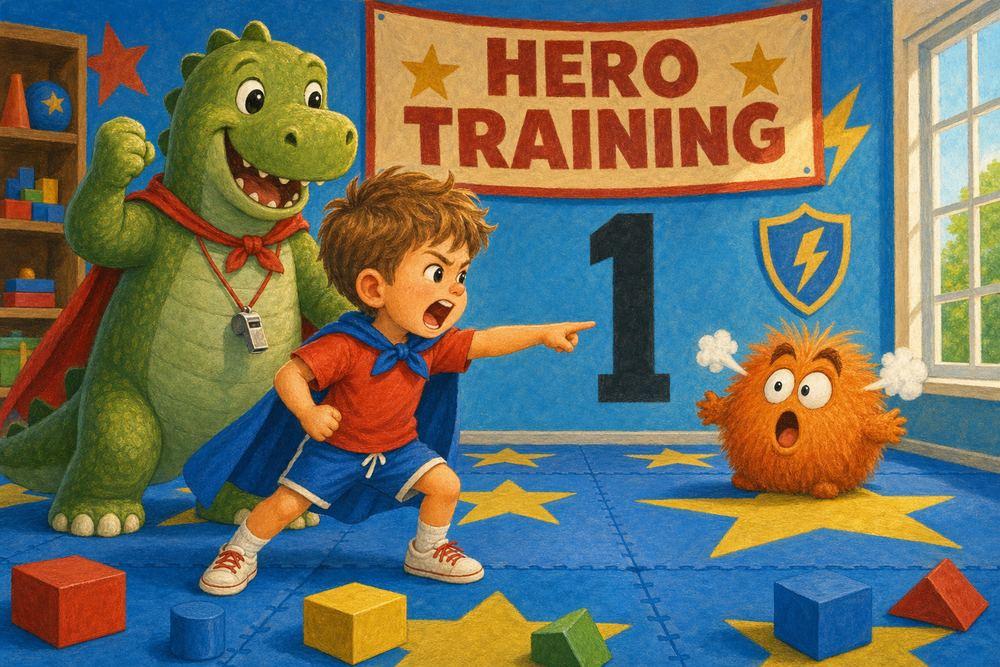
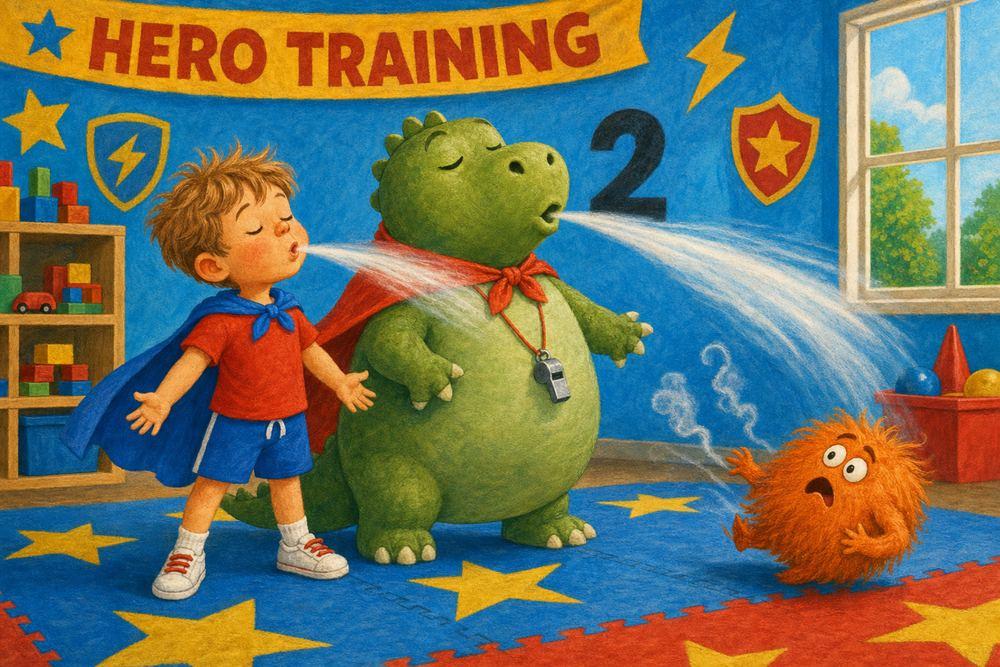
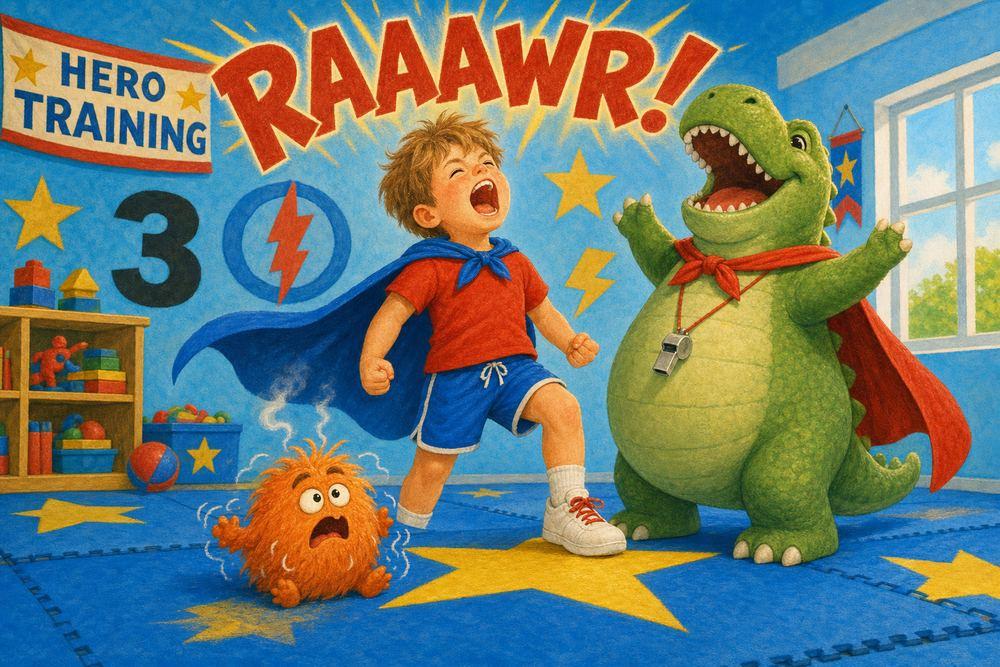
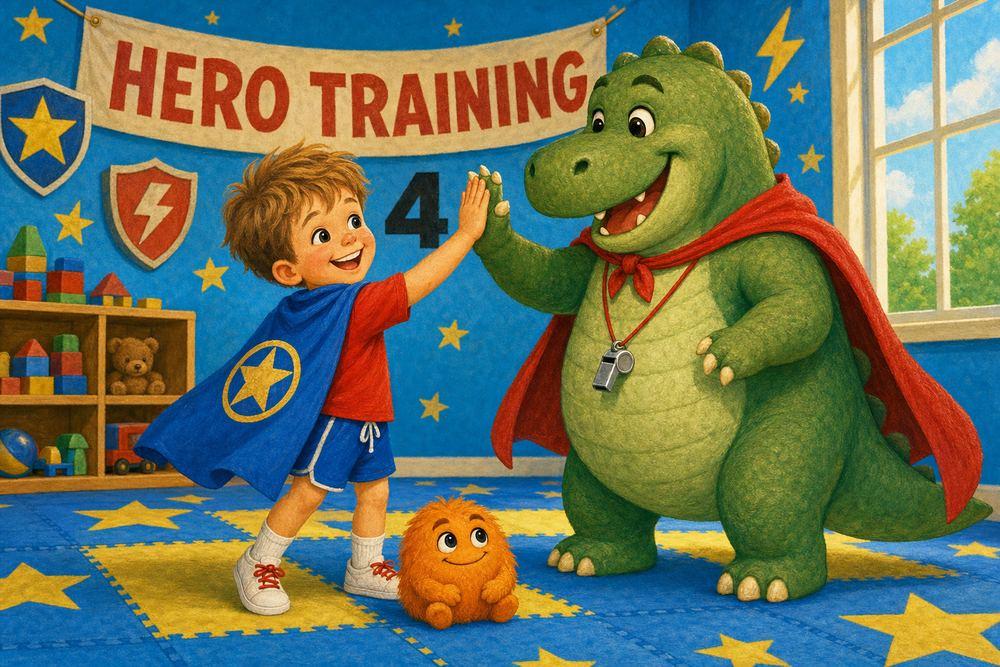
What this story is built to help with: A personalized storybook is the perfect way to teach it — your child as the hero who names the mad feeling, learns that gentle hands are strong hands, and rehearses the moves before the next frustration ever arrives.
Why a book — and why one with their name in it
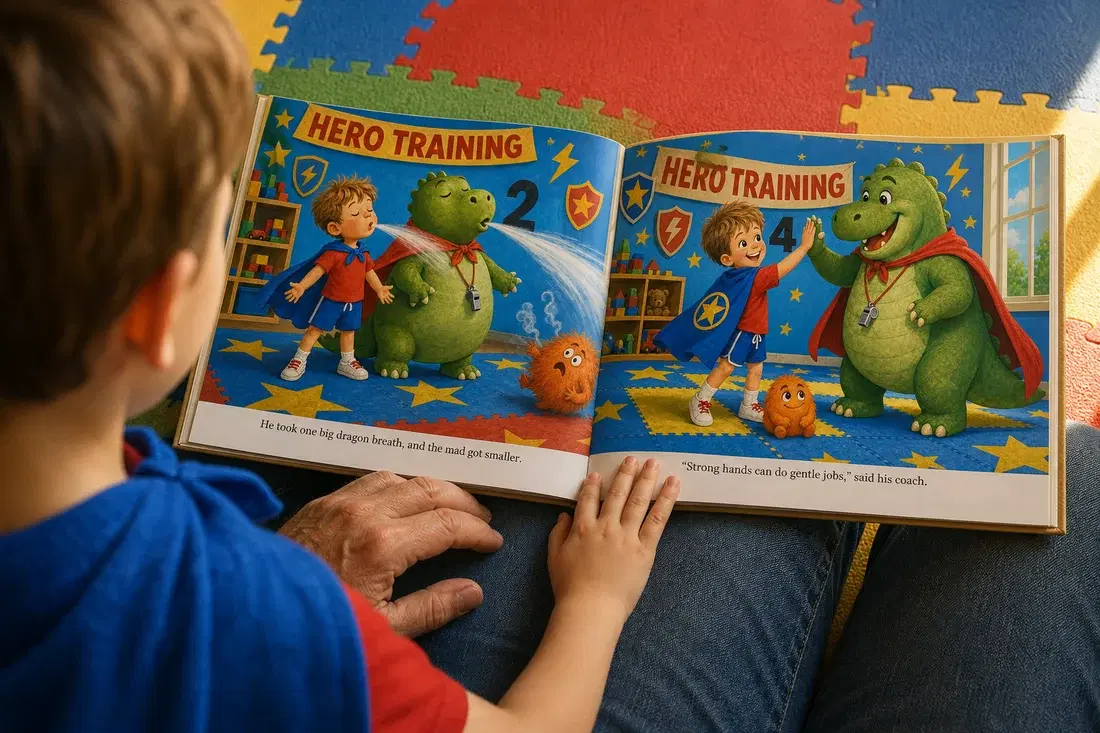
Here’s what the tip “just teach gentle hands” always leaves out: you can’t teach it in the moment. A hitting toddler is flooded — no lesson lands. The teaching has to happen when they’re calm, and a book is the most natural calm-moment classroom there is. Reading a story about big feelings is even an expert-endorsed move (ZERO TO THREE recommends it by name), and the research is clear that sharing a story builds exactly the muscles you want — spotting a character’s feeling, naming your own, and reaching for words instead of fists. And a picturebook is how it goes in — the pictures and the story speak a toddler’s language far better than a “use your words” talk can, and reading it together is where it lands. [6, 9]
Now make the hero your child. Toddlers learn through repetition and seeing themselves — and there’s a measured edge here: young children remember information tied to themselves better than information about someone else (the “self-reference effect”). So a story where your kid is the one who feels mad, chooses gentle hands, and says “I want a turn,” re-read at bedtime, pre-loads the exact script — the words are already there before the next frustration hits. And because they’ve rehearsed it as the hero, the real moment feels familiar, not new — easier to do. You reading it together in the calm moments is the magic, and your child gets a version of themselves getting it right to copy. [10, 9]
Quick answers
Is it normal for my toddler to hit?
Yes — hitting, biting, and pushing are a normal developmental phase, most common around 2 to 4, and they fade as words and self-control grow. It’s feelings outrunning language, not a character flaw.
Should I hit or bite back to “show them how it feels”?
No — it teaches that hitting is how big people solve things. The opposite works better: stay calm, name the limit (“no hitting — gentle hands”), and model the self-control you want to see.
Does time-out or punishment stop the hitting?
Punishment doesn’t teach the missing skill — what to do with the feeling. Naming what TO do, praising gentle hands, and rehearsing the words when calm is what actually builds it.
When should I worry?
If the aggression is intense, lasts more than a few weeks, injures people, or gets your child kept from play or school, check in with your pediatrician. Otherwise it’s the normal phase — and it passes.
Who’s behind this
I’m Dao — a mom, and the founder of PlotJoys. I make personalized storybooks where your child is the hero, because the hardest parenting moments — like a tiny fist — can’t be taught in the moment. They’re taught later, calmly, and a story your child stars in is the gentlest way to pre-load the words they’ll reach for next time.
Tell us the moment in a sentence or two, add a photo, and see them drawn as the hero.
The research, if you want it
- ZERO TO THREE — “Aggressive Behavior in Toddlers”
- American Academy of Pediatrics, HealthyChildren.org — “Aggressive Behavior” (10 tips to prevent it)
- CDC, “Learn the Signs. Act Early.” — Milestones by 18 Months
- CDC, “Learn the Signs. Act Early.” — Milestones by 2 Years
- Child Mind Institute — “How to Discipline Toddlers”
- ZERO TO THREE — “Toddler Biting: Finding the Right Response”
- CDC — “Positive Parenting Tips: Toddlers (2–3 Years)”
- Reebye, “Aggression During the Early Years — Infancy and Preschool,” J. Canadian Academy of Child & Adolescent Psychiatry (NIH/PMC, peer-reviewed)
- Mira-Galvañ et al., “Shared book reading and promoting social and emotional competences” (NIH/PMC, peer-reviewed)
- Cunningham et al., “The self-reference effect on memory in early childhood,” Child Development (PubMed, peer-reviewed)