Gift Guide
A Meaningful Gift for the Kid Who Has Everything

By Dao, Founder · PhD in mathematics, former Director of Data Science at Uber and Capital One · LinkedIn ↗
The short version
- It's a volume problem, not a discipline problem. With fewer toys around, kids play longer and more inventively. A big pile is what scatters their attention.
- The magic is the connection, not the object. The gifts that matter most pull a grown-up in, playing, reading, or exploring together.
- Experiences and memories outlast things. We get used to objects, but we keep the stories. Give the gift that becomes one.
- A book that IS your child can't become clutter. You can re-gift a sweater. You can't re-gift a book with their name and their face.
The most meaningful gift for the kid who has everything isn't another toy. It's a keepsake or an experience that pulls a grown-up in and turns into a memory. Research points the same way: fewer, better things get played with more deeply, and experiences, plus the stories we tell about them, outlast objects. Below is the reframe, a short list of non-toy ideas, and read-together books that stick around.
The problem isn't your kid, it's the pile
If the toys have taken over and your child still floats from one thing to the next, both of you are fine. It's not about behavior, it's about volume. In a University of Toledo study, when toddlers had fewer toys in the room they played twice as long with the ones they had, and in more inventive ways. With more toys out, children tended to flit, touching one, dropping it, reaching for the next, without ever settling into deep play. As the lead researcher put it, "When there were fewer toys, they played with them in more ways." The takeaway for anyone shopping isn't 'give nothing.' It's give fewer, better things, the kind that earn their keep instead of feeding the drift. [1]
What actually makes a gift meaningful
So what makes a gift land? Not the price tag, and not the feature list. Pediatricians put it plainly: "the best toys need not be flashy or expensive or come with an app. Simple, in this case, really is better." What matters most is whether the gift brings a grown-up into the play. "The best toys are those that support parents and children playing, pretending and interacting together," and early on especially, the point isn't to teach, it's "to facilitate warm, supportive interactions and relationships." The other half of 'lasting' is memory. Research on happiness finds that "buying experiences brings people more happiness than material purchases." We get used to objects and the shine wears off, but "experiences live on in our memories and in the stories we tell." So the meaningful gift is the one that pulls you in and becomes a story later, not another thing that fades into the shelf. [2, 3]
Keepsakes, not clutter: ideas that last
Here's the simple filter: does this gift create time together, or become a memory? A few that pass. Experiences. A zoo, aquarium, or museum membership; tickets to a show; a class in the thing they love; or a standing monthly 'date' with the person giving the gift. These turn into shared memories and connection, exactly the kind of durable happiness the research points to. A book you read together. This is the sweet spot, because it's an object and an experience at once, a bonding ritual you can repeat. On shared reading, pediatricians note it "weaves joyful language and rich interactive moments into the fabric of daily life" and will "strengthen the bonds that hold you together and build your child's developing brain." Kids come to link books with "lap-time, a sense of security ... and above all with the beloved voices of the adults" who read to them. Screen-free bonding and brain-building, on repeat: the opposite of clutter. A gift that grows gratitude. For the kid who has everything, the most meaningful present can be the one that helps them notice what they already have. Harvard's Making Caring Common reminds us gratitude "is about more than saying thank you." It's "noticing who or what we're grateful for, thinking about why we're grateful, and feeling positive." A gift that sparks that noticing is worth more than one more thing to want. [3, 4, 5]
Why a book where your child is the hero is the gift that actually lands
Here is what a personalized book does that a shelf of new toys can't. When your child opens a story where they are the named, illustrated hero, the kid who has everything is them, by their own name and face. They get to live the exact turn this whole guide is about: the pull of wanting the next new thing, and then the quiet discovery that what they treasure most was never in the pile at all, it was the afternoon spent together, the people right there beside them. Gratitude stops being a word you remind them to say and becomes a moment they have already lived on the page. So the next time the birthday haul gets unwrapped, or the store aisle whispers 'I want that,' the feeling of 'I already have so much' is familiar ground instead of a lecture. [5]
That is the whole difference a name and a face make. In a lovely book off the shelf, your child watches some other child, or a bear, or a boy on a bus, learn to be grateful. Warm, but always one step removed. In their own book there is no stand-in. 'That character noticed what really mattered' becomes 'I did.' The lesson isn't happening to someone else on the page; it is happening to them, wearing their face, answering to their name. That is what turns a nice story into the one they carry back to you and ask for again.
And the reassurance lands twice. Once from a hero who is your child, and once from you, reading it on your lap at bedtime, which happens to be the very thing the story says matters most. Shared reading like this weaves the bond between you and helps build a child's developing brain, the exact kind of connection pediatricians point to, and unlike a toy, the shine never wears off, because the book only becomes more theirs over time. It is the keepsake the research keeps circling back to: the experience you keep and the story you retell, long after the pile is forgotten. You can re-gift a sweater. You cannot re-gift a book that IS them. [3, 4]
7 books that are keepsakes, not clutter
Every one of these is a read-together book about wanting, having, and being grateful, small enough to fit on a lap and good enough to keep. Ages are a guide, not a rule.
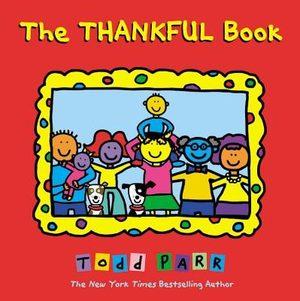
The Thankful Book by Todd Parr (ages 2-5) — Todd Parr's bright, silly, deeply reassuring roll-call of small things worth being thankful for: pajamas, music, feet. The gentlest on-ramp to gratitude for the youngest kids, and a lovely read-together ritual that lands the 'notice what you have' idea without a lecture.
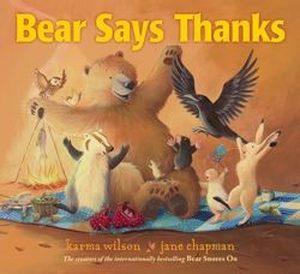
Bear Says Thanks by Karma Wilson (ages 2-5) — Bear wants to throw a feast but his cupboard is bare, until each friend arrives with something to share. A cozy, rhyming story about gratitude and giving over having, perfect for lap-time and a favorite of the toddler-to-preschool set.
The Berenstain Bears Get the Gimmies by Stan and Jan Berenstain (ages 3-7) — Brother and Sister Bear catch a bad case of the 'gimmies,' wanting everything in every store. A warm, funny, name-the-feeling story that speaks directly to the kid who has everything and still wants more, without any shame.
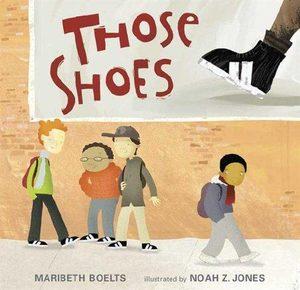
Those Shoes by Maribeth Boelts (ages 4-8) — Jeremy wants the shoes everyone else has, but he needs boots, and ends up making a quietly generous choice. A tender, real-world look at want versus need and the good feeling of giving. Ideal for sparking the 'what actually matters' conversation.
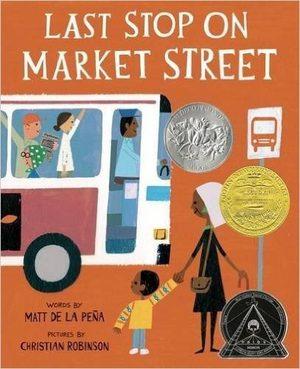
Last Stop on Market Street by Matt de la Pena (ages 3-8) — On a bus ride across town with his Nana, CJ learns to find beauty and richness in the world instead of the things he doesn't have. A Newbery Medal winner about gratitude, presence, and the wealth that isn't stuff, a keepsake in its own right.
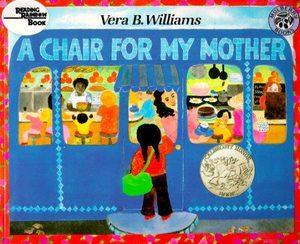
A Chair for My Mother by Vera B. Williams (ages 4-8) — A family saves coins in a big jar to buy one special armchair after losing everything in a fire. A classic about a single meaningful object earned together, the heart of 'keepsake, not clutter,' and a beautiful bridge to the idea of a gift a family treasures.
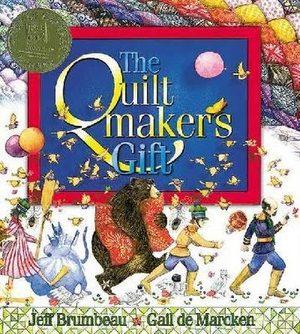
The Quiltmaker's Gift by Jeff Brumbeau (ages 5-9) — A greedy king who owns everything discovers that the only way to be truly happy is to give his treasures away. Practically the thesis of this whole gift guide, in fairy-tale form, richly illustrated and made to be handed down.
Any of these makes a lovely gift on its own. Pair one with the child's own personalized story below and you've given both the shared read and the keepsake that could only ever be theirs.
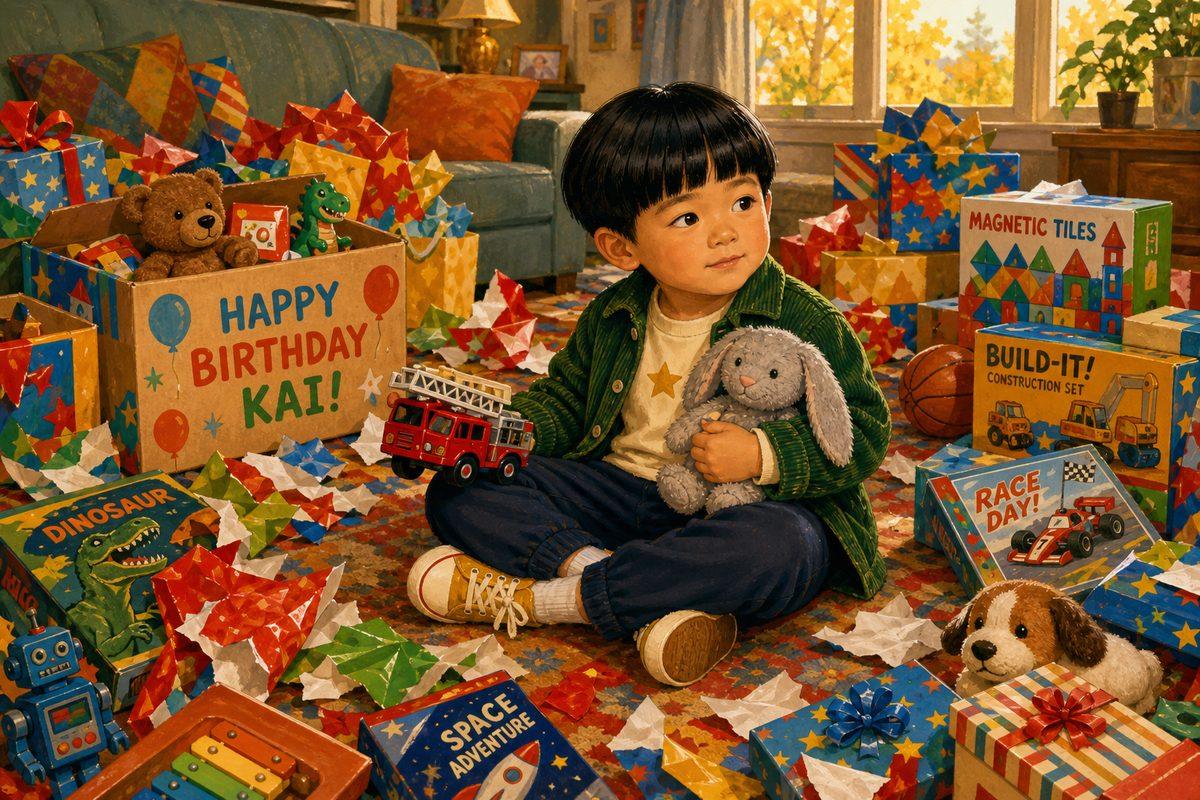
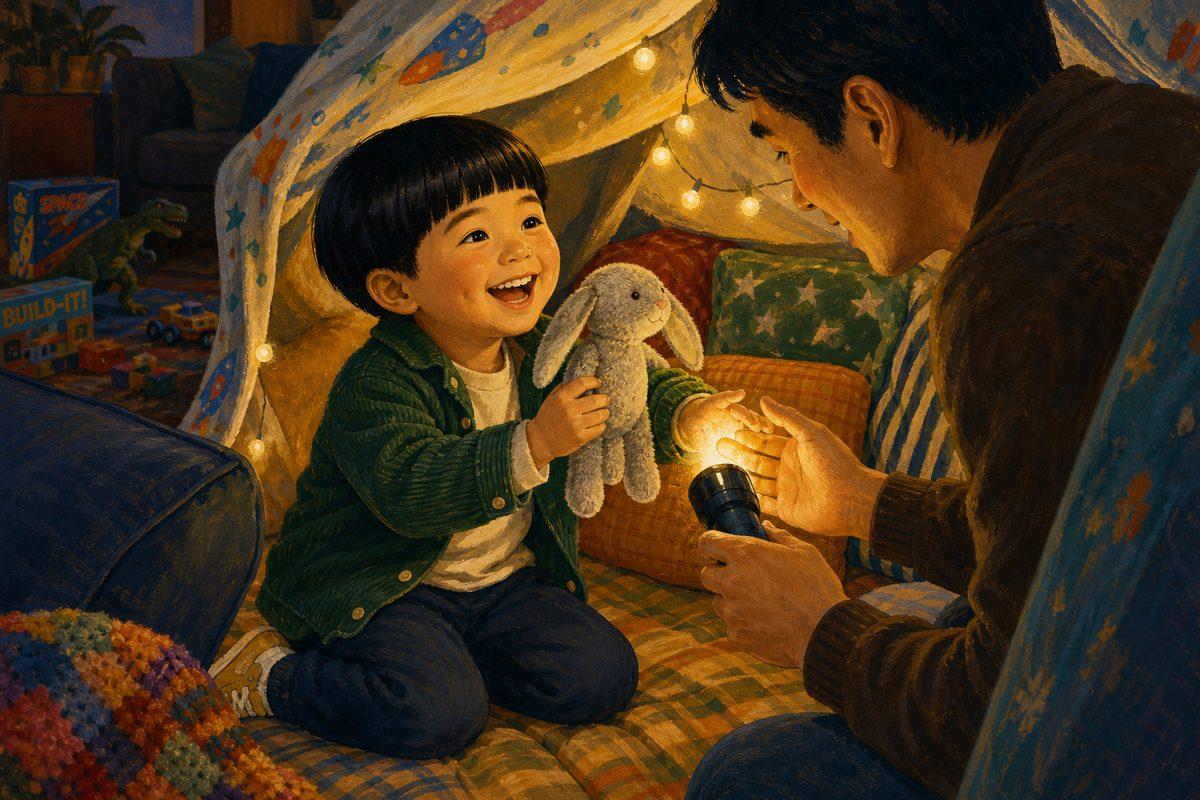
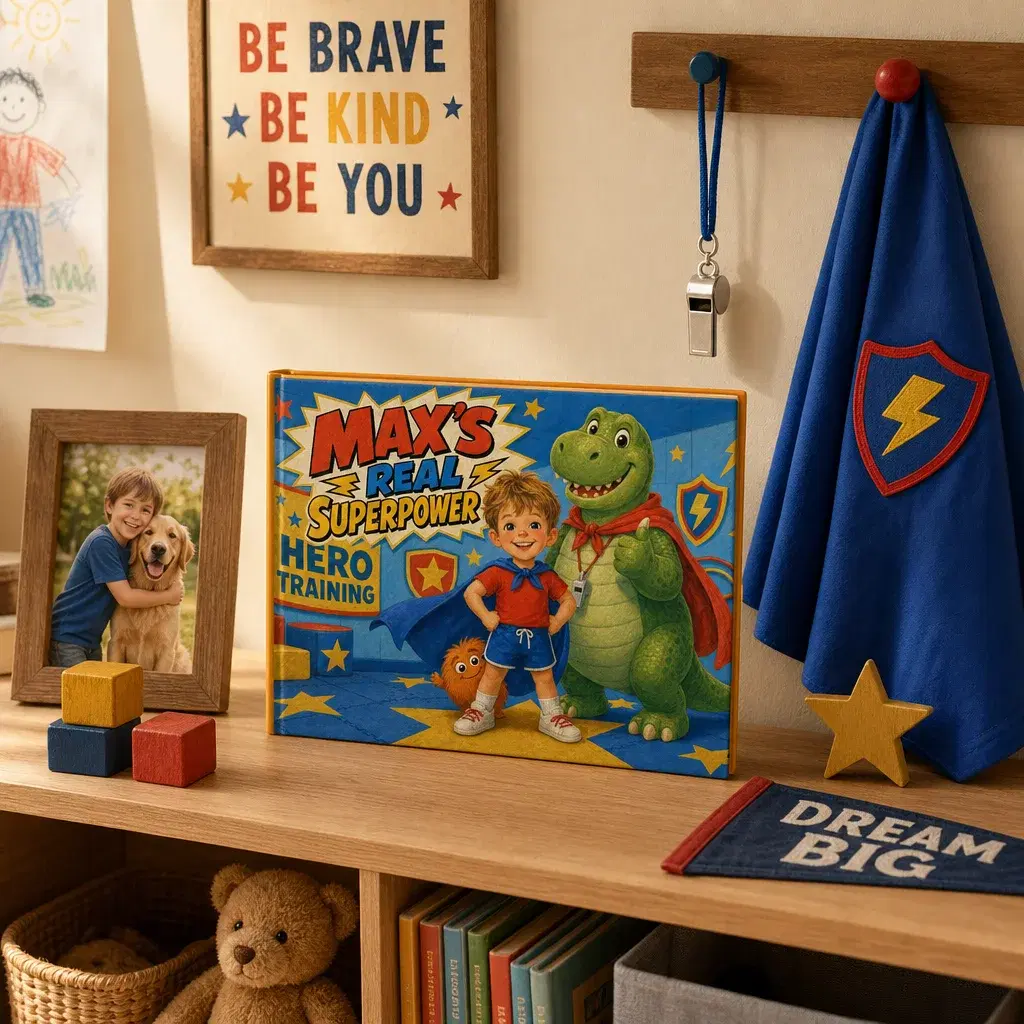
What it looks like: the kid who has everything, as the hero of their own book
Quick answers
What do you get the kid who has everything?
Skip 'more' and give 'meaningful,' a gift that creates time together or becomes a memory. That's an experience (a membership, tickets, a class), a read-together book, or a personalized keepsake with their name and face. Research on happiness finds experiences, and the stories we tell about them, outlast objects.
Are experience gifts really better than toys?
Often, yes. Research on happiness finds "buying experiences brings people more happiness than material purchases," because we adapt to objects but keep the memories. A zoo membership or a class becomes a shared story; a toy usually just joins the pile.
How many toys does a kid actually need?
Fewer than you'd think. In one study, toddlers with fewer toys played twice as long and more inventively. The fix isn't zero gifts, it's fewer, better ones. A nice tip from the researcher: if a child gets a lot at once, save some and swap them out later.
What's a meaningful gift that isn't a toy?
A read-together book is the sweet spot, an object and an experience at once, and screen-free. Experiences (memberships, classes, a standing 'date') and personalized keepsakes also land, because they turn into connection and memory rather than clutter.
Is a personalized book a good gift for a kid who has everything?
It's arguably the cleanest one. It's simple and connection-first, it's a read-together ritual that builds the bond and the brain, and, unlike a toy, it can't be re-gifted, because the hero IS them. It's the one gift that could only ever belong to that child.
Who’s behind this
I'm Dao, the founder of PlotJoys. I started this after watching my own daughter light up over a story far more than any toy in the pile, she once reached out to hug a character right off the screen. That stuck with me: what kids remember isn't the amount of stuff, it's the feeling of being close to someone inside a story. So we make the kind of gift you keep, a book where your child is the hero, read together. If you're shopping for the kid who has everything, I hope you find the one that lasts. — Dao
Tell us the moment in a sentence or two, add a photo, and see them drawn as the hero.
Keep reading
The research, if you want it
- University of Toledo News — "Fewer toys lead to richer play experiences, UT researchers find" (study by Alexia Metz & Carly Dauch, Infant Behavior and Development, 2018)
- HealthyChildren.org (American Academy of Pediatrics) — "Ignore the Flashing Screens: The Best Toys Go Back to the Basics"
- Cornell Chronicle — "To feel happier, talk about experiences, not things" (research of psychologist Thomas Gilovich)
- HealthyChildren.org (American Academy of Pediatrics) — "Beyond Literacy: Shared Reading Starting at Birth Offers Lifelong Benefits"
- Harvard Graduate School of Education — Making Caring Common — "How To Help Kids Develop Gratitude"