Moving & Transitions
The Best Books to Help a Toddler Adjust to Moving

By Dao, Founder · PhD in mathematics, former Director of Data Science at Uber and Capital One · LinkedIn ↗
The short version
- Moving is a real stressor for a little one — leaving behind friends, comforts, and everything familiar — so the clinginess and backslide are a normal reaction, not a red flag.
- A story makes the abstract (“we’re moving”) concrete, and hands your child the words for the feelings before the boxes even come out.
- What helps most: tell them early and positively, let them help (pack a box, pick the new room’s color), keep routines, and get familiar things out fast.
- A book where the hero is your child — packing their real room, settling their new one — turns “that kid moved” into “I can.”
Moving shakes a toddler’s whole world — and the clinginess, the “I want to go back to the old house,” and the little backslides are all normal, not a sign anything’s wrong. One of the gentlest ways in is a book: it lets your child rehearse the goodbye and the new bedroom before they ever live them. Here are the picture books that help most — and the one where your child is the hero of their move.
Why a move hits a toddler harder than you’d think
To a grown-up, a move is logistics. To a toddler, it’s the whole known world rearranged. As the Child Mind Institute puts it, moving is stressful for kids, who have to leave behind friends, teachers and familiar comforts — so the clinginess, the “I want the old house,” and the potty or sleep backslide aren’t defiance or a problem with your child. They’re a small person telling you, in the only language they have, that the ground moved. Naming that out loud — and giving the feeling somewhere to go — is most of the work. [1]
This is exactly where a book earns its place. A story makes the abstract idea of “moving” concrete and rehearsable: your child watches a hero pack up, say goodbye, and discover that a new house can become home — so the real move arrives already a little familiar. It hands them the words for the wobble before they’re in the middle of it.
How to help — before, during, and after the move
Tell them early, and keep it positive. Experts advise talking with your child about the move in advance — what it will be like and what might feel hard — rather than springing it. Simple, warm language works: “We’re going to live in a new house, and all your favorite things and people are coming too.” [1]
Let them help — it’s the secret ingredient. Give your child a job: let them help pack a box of their own toys, or choose the color of their new room. That small sense of mastery is what makes the difference in how a child weathers a move — it turns something happening to them into something they’re part of. [1]
Keep the rhythms, and make the new room theirs — fast. Get a routine going as soon as you land: keeping mealtimes and bedtimes steady gives kids a sense of order when everything else is in boxes. Put their familiar bedding and photos out first, so the new bed looks like their old bed. And keep asking the most powerful question there is: “What can I do to help you?” [1]
Why a book is one of the best tools — and the ones that help
Reading about the move together does two quiet things at once. It previews the hard parts at a safe distance — the goodbye, the truck, the strange new room — and it opens the door to talk about how your child feels (“how do you think she feels? how do you feel?”). The books below each do a slightly different job: some name the sadness of leaving, some model excitement about the new home, some let your child watch a pet or a bear weather the chaos first. Read them in the calm weeks before the boxes come out, so the words are already there when moving day arrives.
The best books to help a toddler with a move
Each of these does a slightly different job — the sadness of goodbye, the excitement of the new room, the both-at-once feeling. Pick the one that matches where your child is, and read it together before the change arrives.
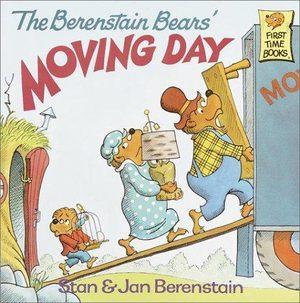
“The Berenstain Bears’ Moving Day” by Stan & Jan Berenstain (ages 3–7) — The full arc of a move — packing up, the hard goodbyes to old friends, and Brother Bear’s worry about whether new friends will come — resolved into belonging. Best for confident 3–5s.
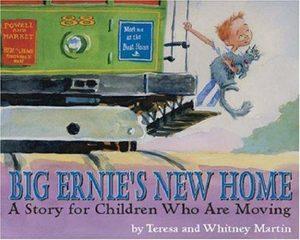
“Big Ernie’s New Home” by Teresa & Whitney Martin (ages 2–5) — Written after the authors’ own move: Big Ernie the cat feels worried, mad, and sad about leaving home, so your child can name those feelings at a safe distance — with a child-psychologist’s note to parents built in.

“A Kiss Goodbye” by Audrey Penn (ages 3–7) — From the “Kissing Hand” author: when Chester Raccoon’s family must move, the beloved kiss-in-the-palm ritual reassures an anxious child that a parent’s love travels with them to any new home.
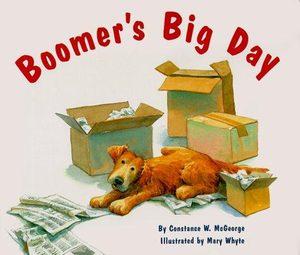
“Boomer’s Big Day” by Constance W. McGeorge (ages 3–7) — Told from the family dog’s bewildered point of view — a gentle way to let a moving-anxious toddler watch someone else weather the packed boxes and chaos, then find a happy new home.
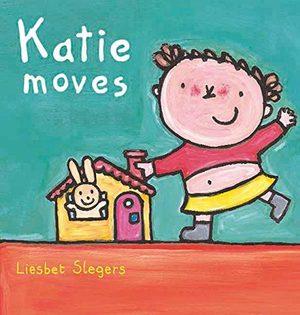
“Katie Moves” by Liesbet Slegers (ages 2–5) — A sturdy board book for the youngest: it names the both-at-once feeling a toddler can’t — excited about the new house AND scared to leave the old one — then shows the fear easing.
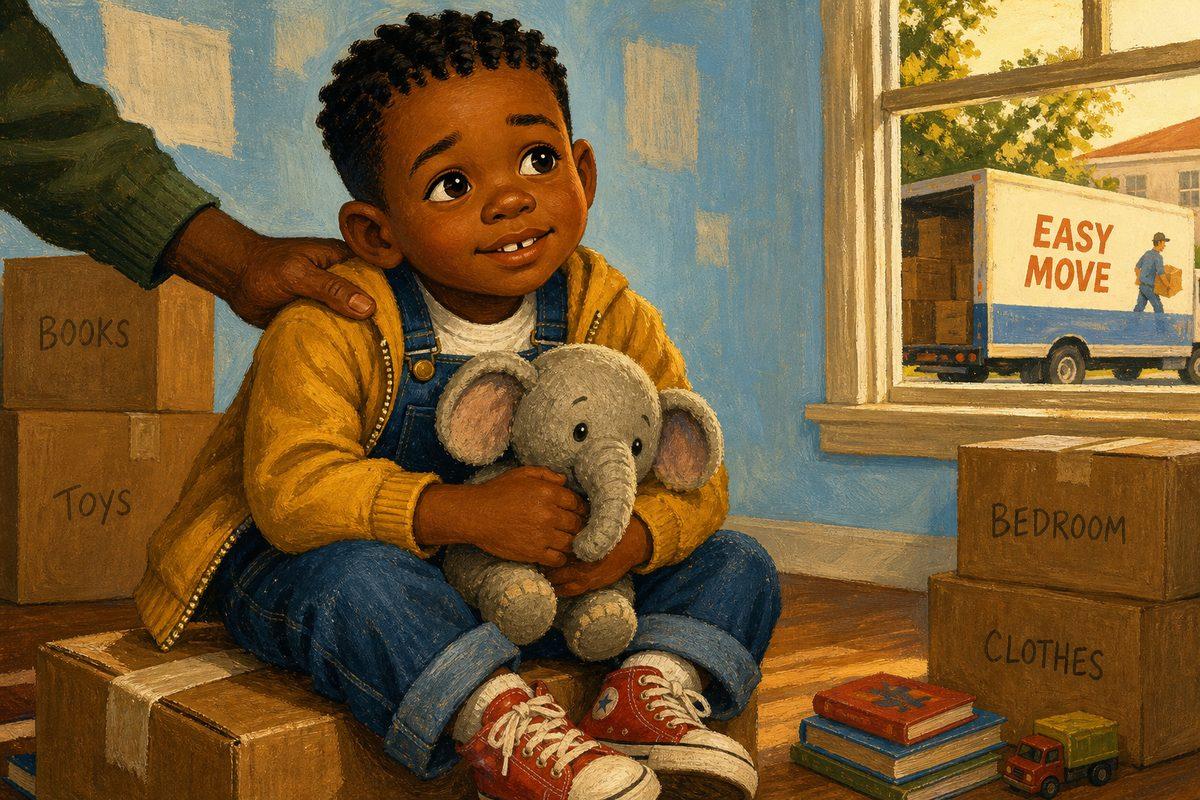
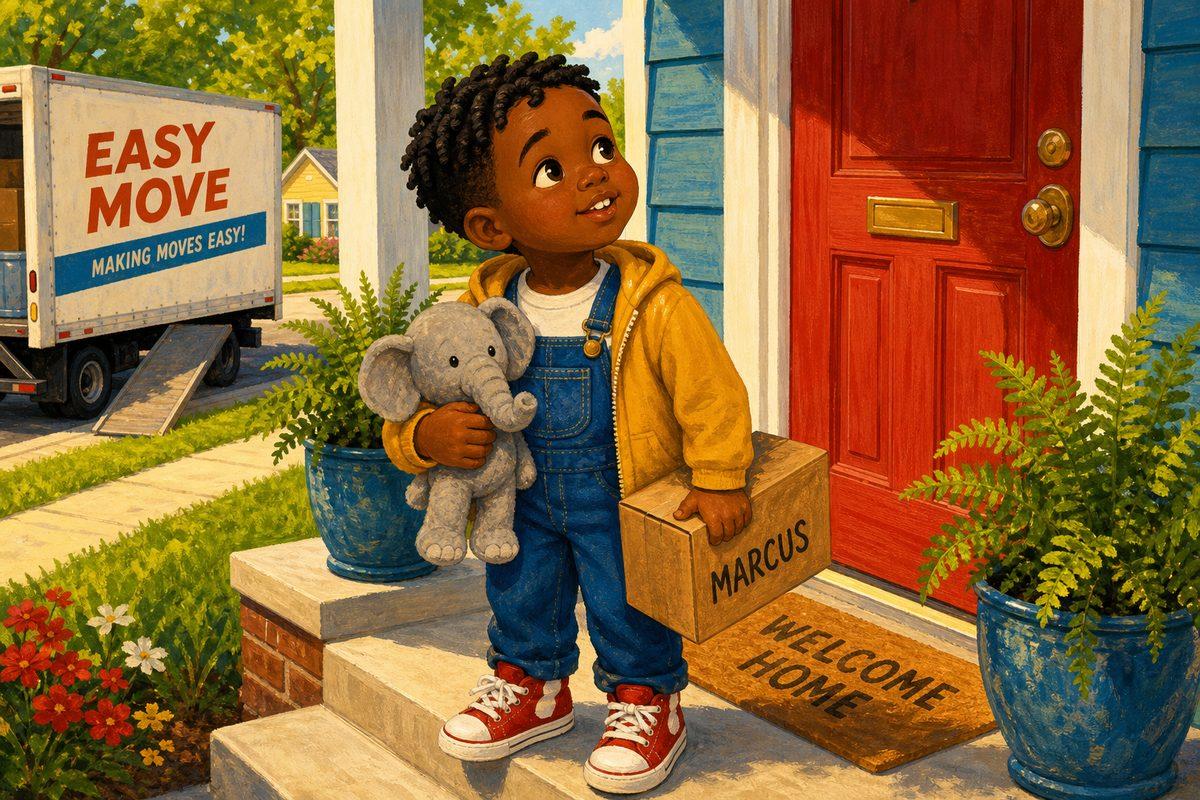
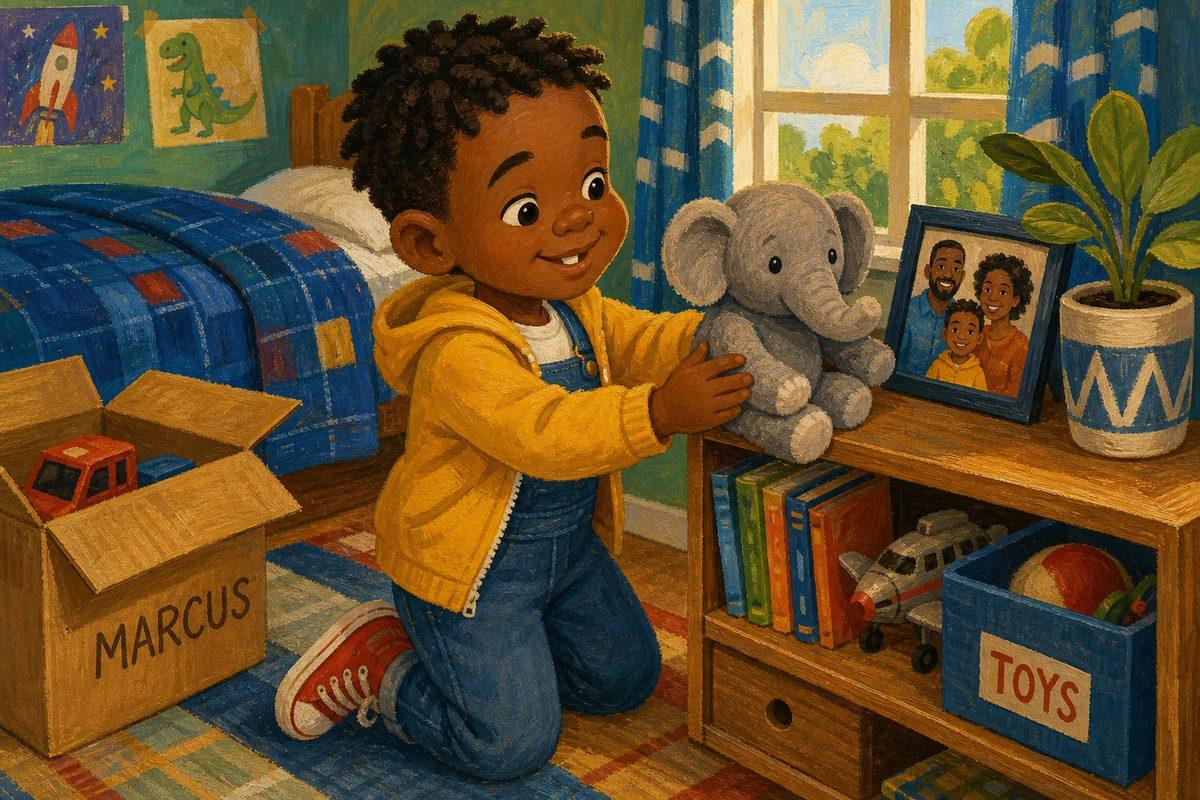
Notice what each of these does: hands your child a hero who feels the wobble of leaving and finds home again. The personalized version makes that hero them — your child, by name, packing up their real room and settling into their new one. Read alongside these classics, it’s the one where the brave-new-house kid is yours.
See the moving story — starring your child

Quick answers
Is it normal for my toddler to regress after we move?
Very. Backsliding — potty accidents, baby talk, extra clinginess, rough sleep — is one of the most normal reactions to a move, because so much of your child’s familiar world changed at once. Keep routines steady and stay calm and matter-of-fact, and it tends to fade as the new place becomes familiar.
How long does it take a toddler to adjust to a new house?
For most children it eases over a few weeks to a couple of months as routines settle and the new home starts to feel familiar. Getting their bedroom set up with familiar bedding and toys early, and keeping mealtimes and bedtimes consistent, speeds it along.
Should we visit the new house before we move in?
If you can, yes — even seeing it from the outside helps, and going inside is better. If a visit isn’t possible, show your child pictures. Anything that makes the new place concrete instead of a scary unknown lowers the worry.
Do books about moving really help, or is it just cute?
They genuinely help: a story previews the hard parts at a safe distance and gives you a natural way to name feelings before the move. A book starring your own child adds attention and stickiness on top — but the reassurance still comes from you, reading it together.
Who’s behind this
I’m Dao — a mom, and the founder of PlotJoys. I make personalized storybooks where your child is the named, illustrated hero, because when a big change is coming, the most reassuring thing a little one can hear is their own name in the story — the kid who says goodbye to the old house and makes the new one home. That’s the quiet magic of a book made just for them.
Tell us the moment in a sentence or two, add a photo, and see them drawn as the hero.