Bedtime & Fears
My Toddler Is Suddenly Scared of the Dark: What Helps

By Dao, Founder · PhD in mathematics, former Director of Data Science at Uber and Capital One · LinkedIn ↗
The short version
- A sudden fear of the dark and monsters is a normal milestone — imagination just outran the ability to tell pretend from real (peak “magical thinking,” ~ages 2–5).
- It almost always fades on its own in weeks to months — nearly 3 in 4 kids have nighttime fears at some point.
- What settles it: validate the fear (never mock it), a predictable bedtime ritual with a nightlight and a “protector” toy, and building brave in small steps.
- The move that backfires: hunting the monster (spray, closet patrols) — it can confirm the monster’s worth fearing and teach your child the fear only lifts when you fix it.
A toddler who’s suddenly scared of the dark isn’t regressing — it’s a normal imagination milestone. Around ages 2–4, a child can’t yet fully tell pretend from real, so the same brain that now invents wonderful stories can also conjure a monster in the shadows. It appears almost overnight, feels intense, and fades on its own within weeks to months. (Yes — even at 9pm, with a kid screaming about the monster under the bed and you Googling from the hallway. You’re not doing anything wrong.) Below: what’s normal by age, the bedtime script that actually settles it, and the one move that quietly backfires.
First, breathe: nighttime fears are nearly universal — in one study of 4-to-12-year-olds, 73% had them, most often of the dark, monsters, and intruders. Fears of the dark and bedtime are a textbook part of early childhood, and most children outgrow them in a few weeks or months with calm support. The thing that actually soothes your child isn’t a flawless explanation — it’s your steady, unbothered presence. The monster isn’t real, but the fear is — and you get to be the proof that they’re safe.
Part of our guide to social-emotional skills by age.
1 to 2: the first fears (but not monsters yet)
Fear arrives — but the monster stuff needs more imagination.
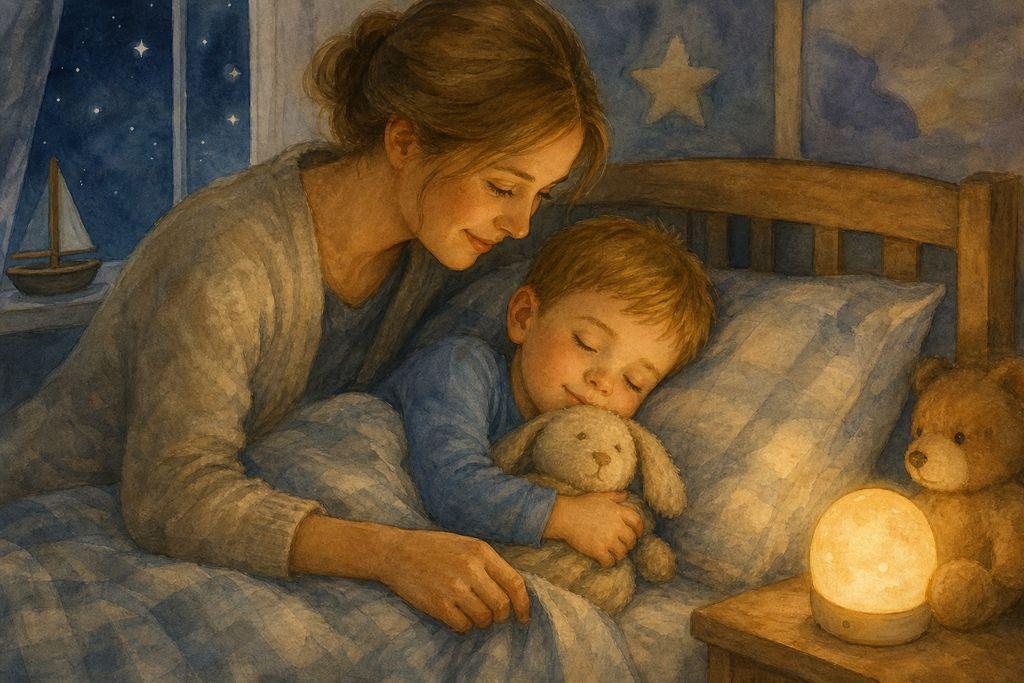
Fearfulness tends to show up around the end of the first year — of strangers, of separation, of loud or sudden things. True dark-and-monster fear usually isn’t here yet: it takes a bigger imagination to invent a creature in the closet. What you’ll mostly see is about you leaving, not the dark. [2]
Try this: Keep bedtime predictable and calm; a nightlight and a lovey already help.
2 to 3: when the monsters move in
Pretend explodes — and so do the shadows.
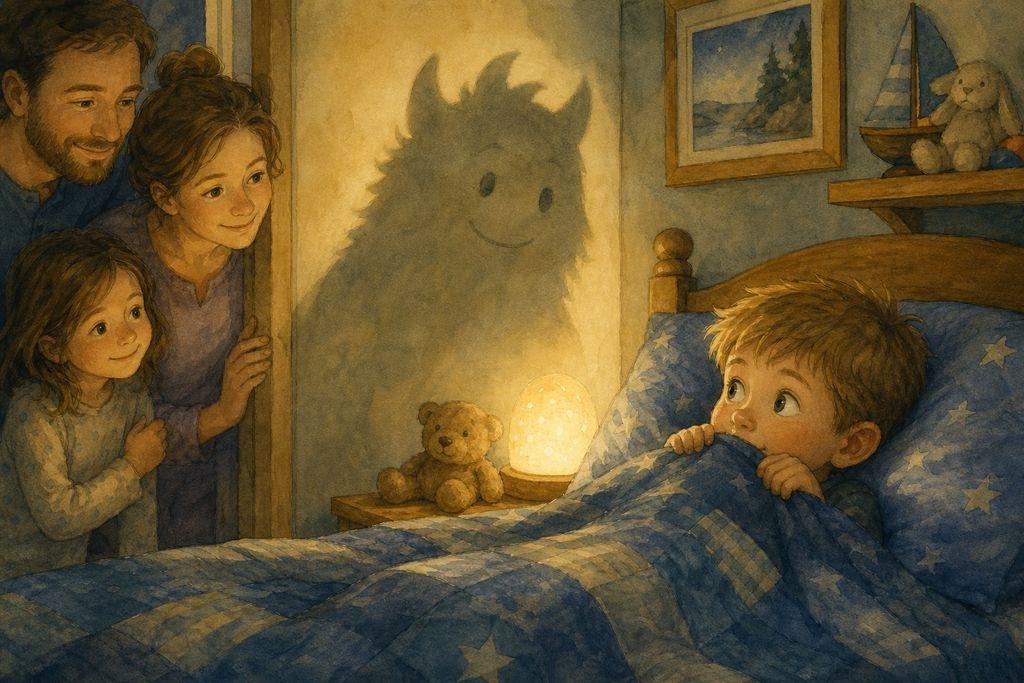
Around two, children dive into pretend and don’t fully grasp the line between fantasy and real — so the dragon from the bedtime story or the clown from the party really could, in their mind, turn up in the dark. This is usually when “there’s a monster” begins. It’s a sign of a healthy, blooming imagination, not a problem. [3]
Try this: Don’t argue the monster away with logic — it won’t land. Validate (“that sounded scary”), then make the dark feel safe with a ritual.
3 to 4: peak magical thinking (the “suddenly scared” age)
This is the classic out-of-nowhere stretch.
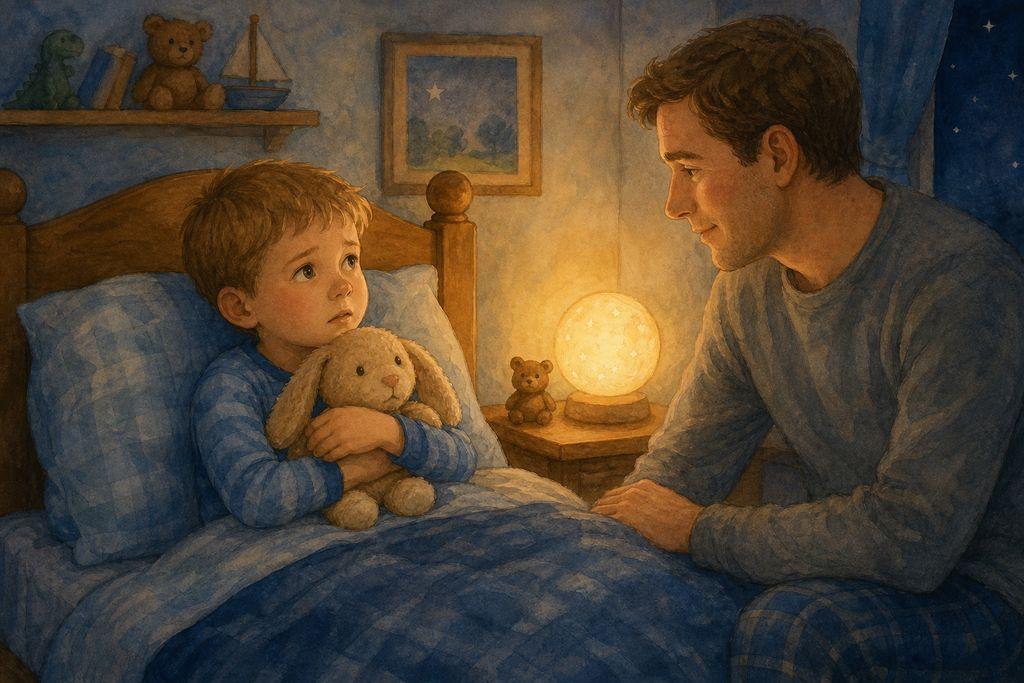
Threes and fours are deep in magical thinking — the sun “went home because it was tired” — and that same wonderful machinery conjures monsters, where logical solutions may not be enough to reassure. So the fear can appear overnight and feel immovable. It’s exactly on schedule, and it passes. [4, 5]
Try this: Lean on ritual over reasoning: the protector toy, the nightlight, the same calm words every single night.
4 to 5: it starts to lift — and when to check in
Reality-testing catches up.
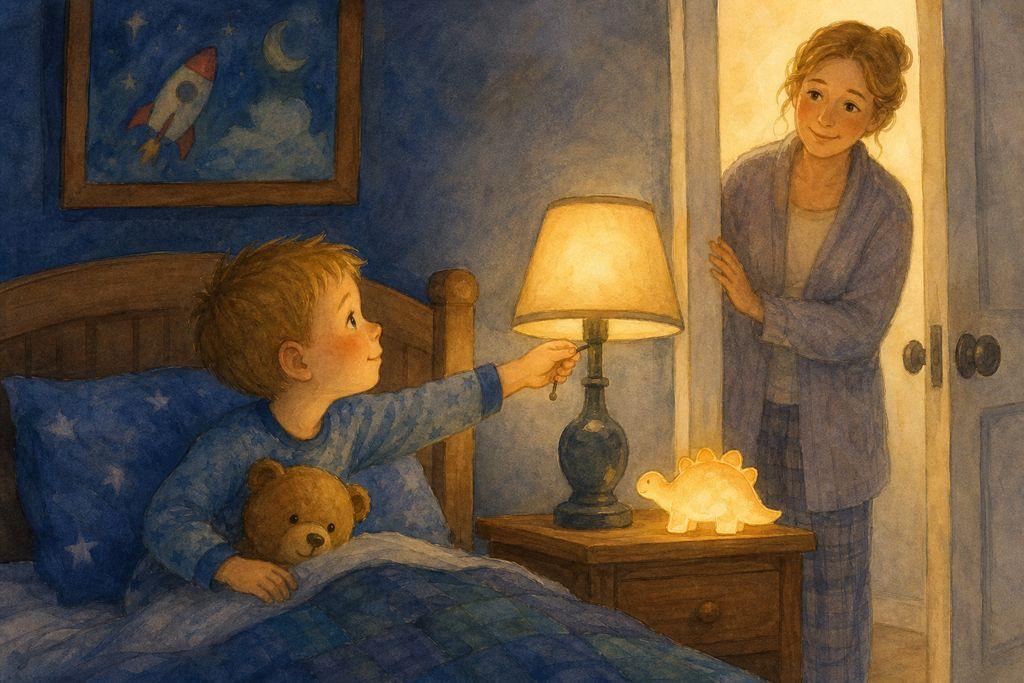
As children get better at telling real from pretend, the dark loosens its grip, and most kids move through it with reassurance and support. Occasional scary nights are still normal. Check in with your pediatrician if the fear is severe, drags on, shows up in the daytime too, or keeps your child from enjoying daily life. [1, 5]
Try this: Keep praising the brave tries — “you stayed in your own bed, that was brave” — and keep the routine steady.
The bedtime script that actually settles it
- Validate first — never mock it. “Wow, that sounded really scary” beats “there’s nothing there, go to sleep.” Belittling the fear (especially in front of others) makes it dig in; being taken seriously is what lets it loosen. [7, 1]
- Don’t hunt the monster. Here’s the counterintuitive part: the spray and the closet patrols often backfire. For a brain deep in magical thinking, “see, nothing there” doesn’t land — logic doesn’t reassure it — and swooping in to banish the monster every night can become a crutch your child leans on instead of learning the dark itself is safe. [4, 7]
- Build a “protector” into the ritual. Make a special stuffed animal the official night-guardian, leave a nightlight on (or the hall light with the door open), and keep the bedtime routine identical every night — sameness is what signals safe. [3, 5]
- Use the same calm words. A simple, repeatable line — “You are OK. We’re right here, and we keep you safe.” — said the same way each night does more than any new explanation. [5]
- Stretch the check-ins. If they call out, reassure briefly and lengthen the gaps — back at 5 minutes, then 10, then 15 — so they get practice settling themselves without being left alone with it. [5]
- Keep scary input out before bed. Skip the intense show, video, or even storybook near bedtime — a magical-thinking brain replays it in the dark. [5]
- Grow brave in small steps, and praise the effort. “You turned off the big light all by yourself — that was brave.” Tiny, praised wins build the courage that finally outlasts the fear. [7]
The best picture books for a child afraid of the dark
Each of these meets a nighttime-scared child a little differently — some give the dark a friendly face, some model the warm reassurance you’re already giving. Read one in the calm before bed, so the words are there when the lights go out.
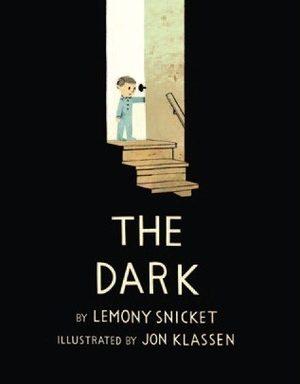
“The Dark” by Lemony Snicket (ages 3–7) — Laszlo is scared of the dark that lives in his basement — and this gently suspenseful classic gives the dark a voice, so your child can meet it face to face instead of fearing the unknown.
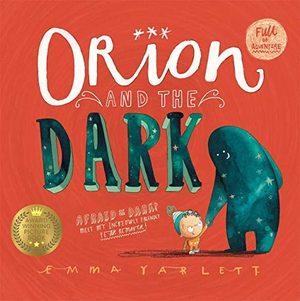
“Orion and the Dark” by Emma Yarlett (ages 3–7) — The Dark shows up as a big, kind, adventure-loving friend who takes Orion on a nighttime tour — reframing the whole thing so the dark feels like a companion, not a threat (now a Netflix film too).
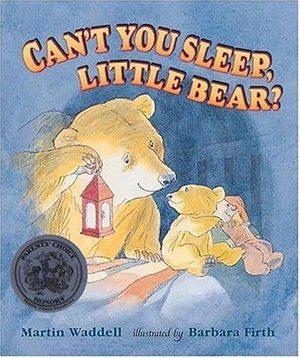
“Can’t You Sleep, Little Bear?” by Martin Waddell (ages 2–5) — A tender bedtime classic where Big Bear patiently brings bigger and bigger lanterns — and finally the moon and stars — modeling the exact warm, un-rushed reassurance you’re already giving.
“The Pout-Pout Fish in the Big-Big Dark” by Deborah Diesen (ages 2–5) — Mr. Fish is fast and strong but has one secret fear — the dark. This bouncy rhyming adventure lets even the youngest listeners swim alongside him as he faces the deep and finds his courage.
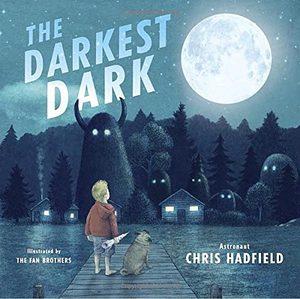
“The Darkest Dark” by Chris Hadfield (ages 4–8) — A real astronaut’s boyhood story: afraid of the dark, until the moon landing shows him the darkest dark of space is beautiful — turning a bedtime fear into a doorway for big dreams.
Notice what each of these does — it hands your child a hero who meets the dark and comes out the other side. The personalized version makes that hero them: your own child, by name, brave in their own dark room. Read alongside these classics, it’s the one where the brave kid is yours.
See the brave-in-the-dark story — starring your child
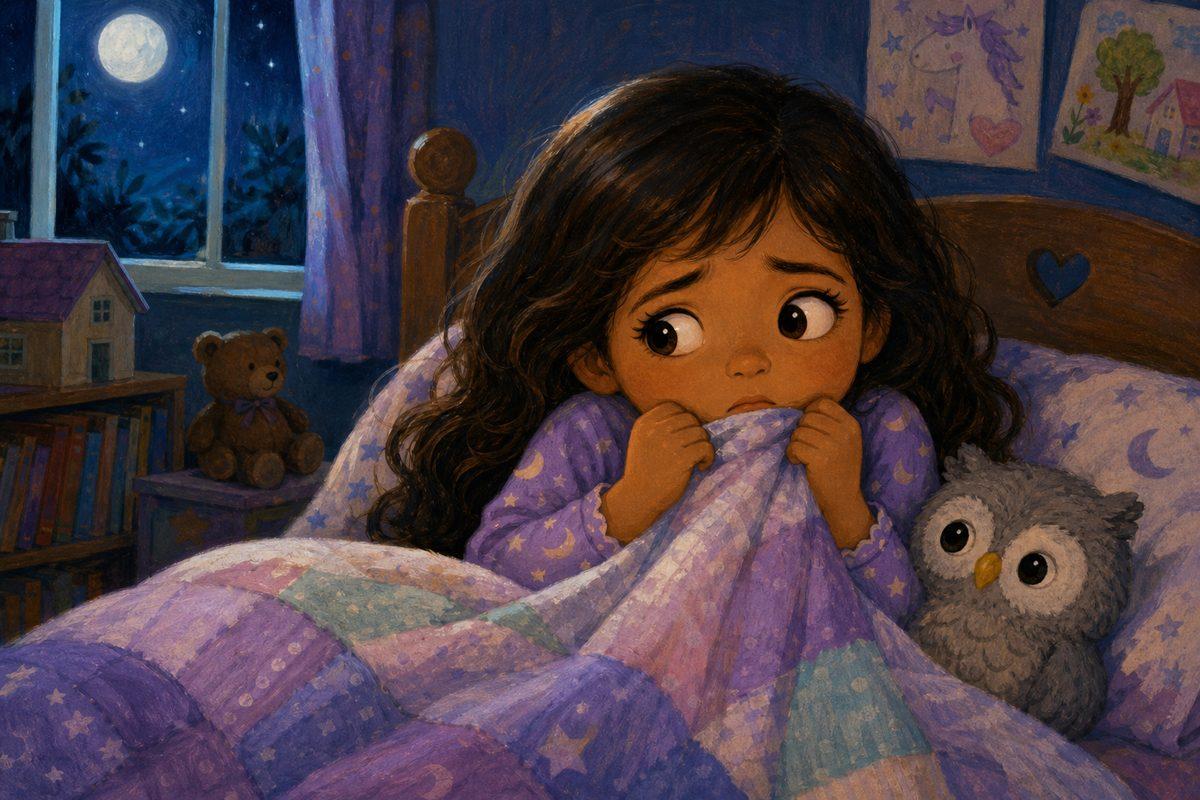
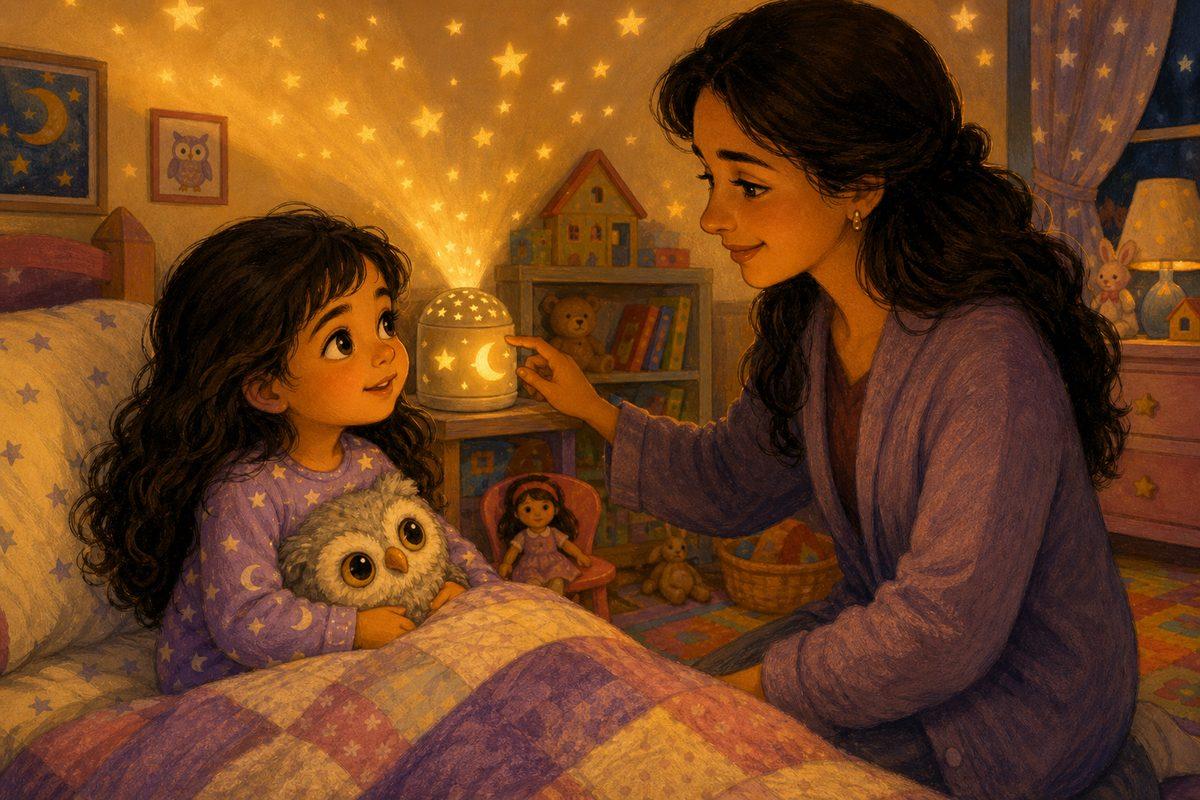
What this story is built to help with: A personalized storybook is the perfect way to hand them that courage — your child as the hero who is scared, finds their brave, and turns lights-out into something they can handle.
Why a book — and why one with their name in it
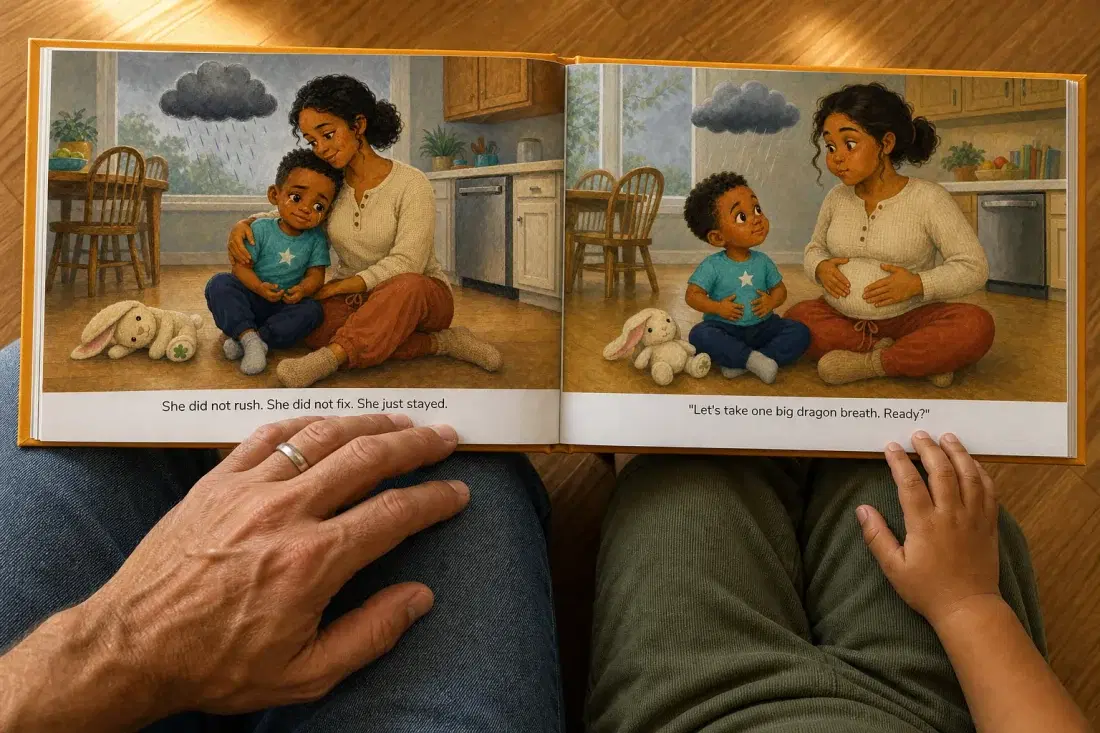
Here’s something that surprised even me: reading the right story is one of the few fear-of-the-dark fixes that’s been put to the test in a real clinical trial — twice. In controlled studies, young children whose parents read them a brave-in-the-dark storybook (and did the little activities alongside it) fell asleep faster and were measurably less afraid than kids who didn’t. The story works by handing your child a coping model: a character who’s scared and figures out how to be brave anyway shows them the moves. The honest catch, in the researchers’ own words: the magic is parent-delivered — you reading it and guiding it together is the active ingredient. The book hands your child the hero; you hand them the safety. [8, 9]
Now make the brave character your child. A generic story says “that kid was brave in the dark.” A story with your child’s own name and face lets them think “I am brave in the dark” — they become the coping model. Re-read at bedtime, it gives the fear a new ending your child gets to rehearse every night, until the version of themselves who isn’t scared starts to feel true. You’re still the one in the doorway saying they’re safe — and the book gives that message a hero they can’t look away from. [8]
Quick answers
Why is my 3-year-old suddenly scared of the dark when they never were?
Because their imagination just leveled up. Around 2–4, kids dive into pretend and can’t fully separate fantasy from reality — so the same brain that invents stories now conjures monsters in the dark. It appears suddenly, feels intense, and is completely normal.
What triggers a sudden fear of the dark?
Often nothing at all — the imagination milestone alone is enough. When there is a trigger, the usual suspects are a scary show, video, or storybook (especially near bedtime), a big new start like a move or a new school or daycare room, or a stressful stretch at home. The fix is the same either way: keep the scary input out before bed, and lean on the steady ritual.
Should I use monster spray or check the closet?
Tread carefully. For a magical-thinking child, elaborate monster-hunting can quietly confirm the monster is worth fearing and teach them the fear only lifts when you fix it. Validate the feeling and make the dark feel safe with ritual instead — that’s what lasts.
What are good books for kids afraid of the dark?
The ones where a character is scared of the dark and finds their brave anyway — that coping-model shape is exactly what the clinical trials tested (the “Uncle Lightfoot” studies paired a brave-in-the-dark book with little games, read by a parent). Read it gently and well before lights-out, not after the scare. And the deepest version: the same brave-in-the-dark story with your own child as the hero, so the brave character they rehearse every night is themselves.
How long does the fear of the dark last?
Usually weeks to months. Nighttime fears are nearly universal (about 73% of kids), and most children outgrow them with calm reassurance and a steady bedtime routine.
When should I worry?
If the fear is severe, drags on, shows up in the daytime too, or keeps your child from enjoying daily life, check in with your pediatrician.
Who’s behind this
I’m Dao — a mom, and the founder of PlotJoys. I make personalized storybooks where your child is the hero, because the science here is lovely and specific: a brave-in-the-dark story, read by you, can genuinely soften a nighttime fear. A story your child stars in is the gentlest way to hand them a braver version of themselves to fall asleep on.
Tell us the moment in a sentence or two, add a photo, and see them drawn as the hero.
Keep reading
The research, if you want it
- American Academy of Pediatrics, HealthyChildren.org — “Fears & Phobias: How Parents Can Help”
- ZERO TO THREE — “Childhood Fears”
- ZERO TO THREE — “I’m Scared: Responding to Your Toddler’s Fears”
- Sanvictores T. et al., “Cognitive Development,” StatPearls (NIH/National Library of Medicine)
- Cincinnati Children’s Hospital — “Helping to Overcome Bedtime Fears”
- Muris P. et al. (2001), “Children’s nighttime fears,” Behaviour Research and Therapy (PubMed)
- Child Mind Institute — “How to Help Children Manage Fears”
- Efficacy of bibliotherapy combined with games to reduce fear of the dark — clinical trial (NIH/PMC, peer-reviewed)
- Reducing the nighttime fears of young children through a brief parent-delivered treatment (“Uncle Lightfoot”) — trial (NIH/PMC, peer-reviewed)