Separation Anxiety
A Personalized Book for Separation Anxiety (How It Helps)

By Dao, Founder · PhD in mathematics, former Director of Data Science at Uber and Capital One · LinkedIn ↗
The short version
- A book is a rehearsal, not a fix. Your child watches a hero feel the wobbly tummy, hold the goodbye, and make it to pick-up — so the real morning arrives already familiar.
- Every expert list ends with reading. The AAP's own child-care checklist literally says to read books about child care before the first day.
- Use it, don't just read it. Talk about how the character feels, then ask how your child feels — and play-act the goodbye afterward.
- Personalized adds one thing: it makes the brave kid unmistakably hers. 'That girl was brave' becomes 'I am brave' — research-informed, and the magic is the book + you.
A personalized book helps with separation anxiety by turning the hard part into a rehearsal. Your child watches their own hero — named and illustrated as them — feel the wobbly tummy at the door, hold a goodbye ritual, and make it all the way to pick-up. Reading is expert-recommended prep for exactly this moment, and a personalized version makes the brave kid on the page unmistakably yours. The story rehearses it; your steady goodbye and kept promise make it land.
First, the important part: if drop-off ends in tears and little arms wrapped tight around your leg, nothing is wrong with your child — and nothing is wrong with you. That clinging isn't a setback. It's the flip side of a strong bond: she protests leaving you because being with you feels safe. You don't have to make the feeling disappear before the first morning. You just have to help her practice — and a book is one of the gentlest ways to rehearse a hard goodbye before it's real.
Part of our guide to social-emotional skills by age.
The classic goodbye books worth reading first
Before anything personalized, these are the picture books teachers reach for — and every one earns its place. Read them, love them. Then, if you want the brave kid on the page to be unmistakably your child, a personalized version adds exactly that.
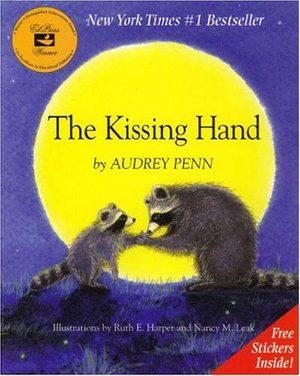
The Kissing Hand by Audrey Penn (ages 3-6) — The one nearly every preschool teacher reaches for. Chester Raccoon is scared to start school, so his mother presses a kiss into the center of his palm — a Kissing Hand he can hold against his cheek whenever he misses her. It's the ritual at the heart of a hundred brave goodbyes, and the same kiss-in-the-palm idea a personalized book can put in your own child's hand.
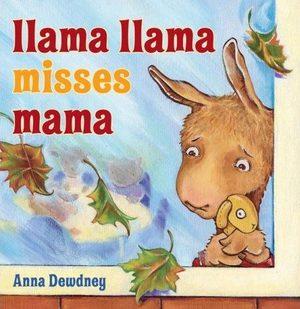
Llama Llama Misses Mama by Anna Dewdney (ages 2-5) — It's Llama Llama's very first morning of preschool, and the moment Mama leaves, the excitement curdles into worry. Gentle, rhyming, and honest about the wobble — then the reassuring turn: new friends, a good day, and Mama always comes back. A tender fit for the toddler living the first real drop-off.
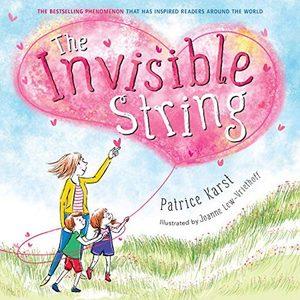
The Invisible String by Patrice Karst (ages 3-8) — For the child who feels the distance most. A mother explains that everyone we love is connected by an invisible string made of love — one that stretches anywhere and never breaks. A quiet, reassuring answer to the bedtime worry, 'but what if I miss you while you're gone?'
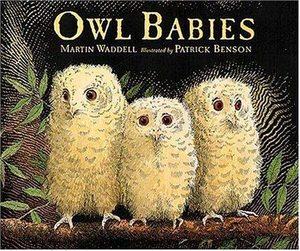
Owl Babies by Martin Waddell (ages 2-5) — Three baby owls wake in the night to find their mother gone, and wait in the dark, wondering. Then she sweeps home. Beautifully simple, and the whole shape of the book is that return — the exact truth an anxious little one needs to feel in their bones: she always comes back.
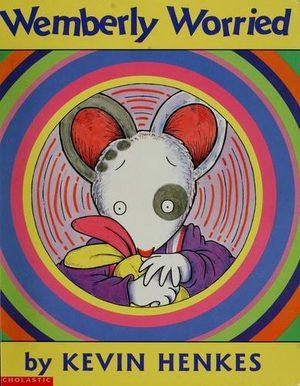
Wemberly Worried by Kevin Henkes (ages 3-6) — Wemberly worries about everything — and most of all about the first day of school. For the child whose separation worry comes wrapped in a hundred other what-ifs, here's a little mouse who feels it too, and finds a friend waiting on the other side of the goodbye.
The Goodbye Book by Todd Parr (ages 2-5) — Bright, bold, and pitched right at the youngest feelings. Parr names the whole storm of a goodbye — you might feel sad, you might not want to talk, you might not feel like eating — and lands somewhere steady: it's okay to miss someone, and you'll be together again. A gentle first conversation-starter about being apart.
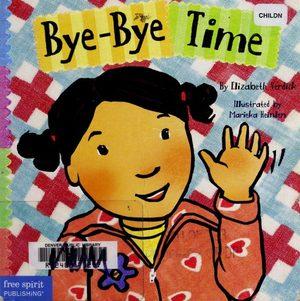
Bye-Bye Time by Elizabeth Verdick (ages 1-4) — Made for the toddler living drop-off for the very first time. Simple, reassuring, and practical: a wave, a kiss, a brave breath, and the comforting rhythm of a goodbye you can count on. Part of the board-book Toddler Tools series, built for small hands and big feelings.
Any one of these is a wonderful place to start. A personalized book doesn't replace them — it adds one thing they can't: the hero is your child, by name and face, so 'that kid was brave' becomes 'I am brave.'
Toddlers (around 1–3): keep it simple, and read it on repeat
At this age the goodbye is the whole story. A board book she can hold, with a simple wave-and-kiss she sees again and again, does more than any long explanation.
One to three is the peak of drop-off protest, and it's completely on schedule. Toddlers live in the present, so 'I'll be back after snack' is abstract — but a picture of a grown-up who leaves and comes back is concrete. And re-reading the same book isn't boring to her; hearing the same story again and again is genuinely comforting. [2, 6]
Try this: Pick one short book and read it nightly for a week or two before the first morning. Act out the wave and the kiss after you close it. Let her carry a lovey or a small family photo to daycare — a reminder of home is expert-backed, and a personalized book makes the hero holding it look just like her.
Age 3: let the character say the feeling she can't yet name
By three, the worry often comes out sideways — a meltdown over socks that's really about the drop-off. A story gives that feeling a doorway.
Three-year-olds feel big things before they have the words for them. A character on the page can carry the feeling first, which is easier than owning it out loud. And it's normal to feel two things at once — proud to be a big kid and worried about leaving you at the very same time. [3, 6]
Try this: Use the expert two-step: talk about how the character feels, then ask how your child feels. First the hero, then her. Point to the page where the hero feels proud and nervous together, and name that both can be true.
Age 4: rehearse the shape of the day, and something to carry
Around four, separation worry often moves into the body — a stomachache in the car, a lump in the throat at the door. Rehearsing the day's shape helps.
A four-year-old can hold a sequence now, so the book can walk the whole arc: the wobble, the goodbye, the good day, the reunion. Knowing what happens next, in kid-sized time, takes some of the fear out of the unknown. [1, 3, 4]
Try this: Read the book, then give her something concrete to carry that matches it — a kiss pressed into her palm, a note in the lunchbox, a photo in the backpack. A goodbye ritual you practice ahead of time, then keep short and sweet, is what the pros recommend.
Age 5 and kindergarten: a big new start she already knows how to do
A flare at kindergarten doesn't mean you're back at square one. A big new beginning just needs to feel familiar first.
Even a confident five-year-old can wobble at a brand-new start with new faces and a new room. That's not regression — it's a reasonable response to the unfamiliar. A first-day story reframes the big new thing as something the hero already knows how to do. [3, 4]
Try this: Read a first-day book together in the week before, then talk through the plan out loud: who drops off, the goodbye, who's there at pick-up. Practicing the goodbye ritual before the day eases the final goodbye when it comes.
How to use the book (so it's rehearsal, not just a bedtime story)
- Start early and re-read often. Read it in the weeks before the first morning, not the night before — and the same story on repeat is itself soothing. [2, 6]
- Do the feelings two-step. Talk about how the character feels, then ask how your child feels. The story gives the worry a safe place to come out. [3]
- Play-act it after you read. Take turns being the parent, child, and teacher, and act out saying good-bye. The book gives you the script; the pretend-play cements it. [3]
- Let something travel with her. A photo, a lovey, or a kiss pressed into her palm — a reminder of home is expert-backed, and it turns the book's ritual into something she can hold all day. [2, 4]
- Keep the real goodbye short, and never sneak out. Say a warm, firm goodbye and go — lingering stretches the hard part, and slipping away quietly makes the next one harder. When you keep your promise to come back, you build her trust and her independence. [1, 5]
What your child's own separation-anxiety book looks like
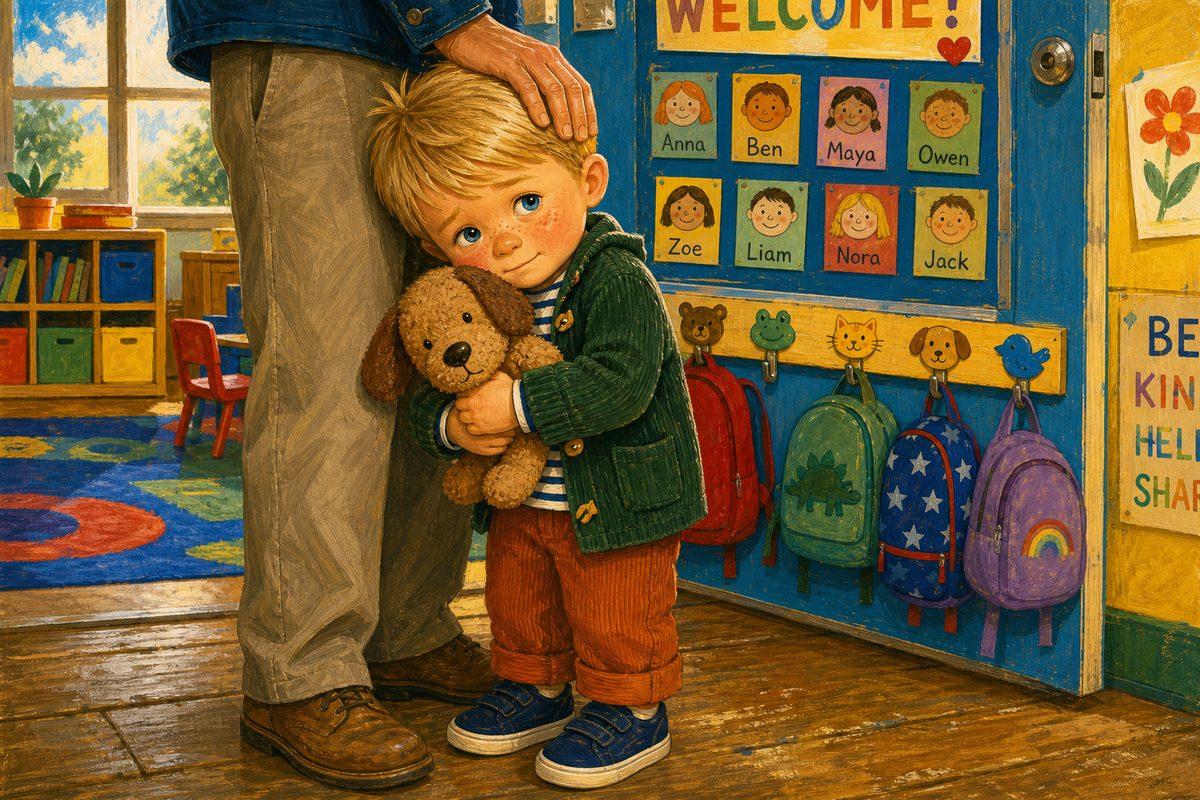
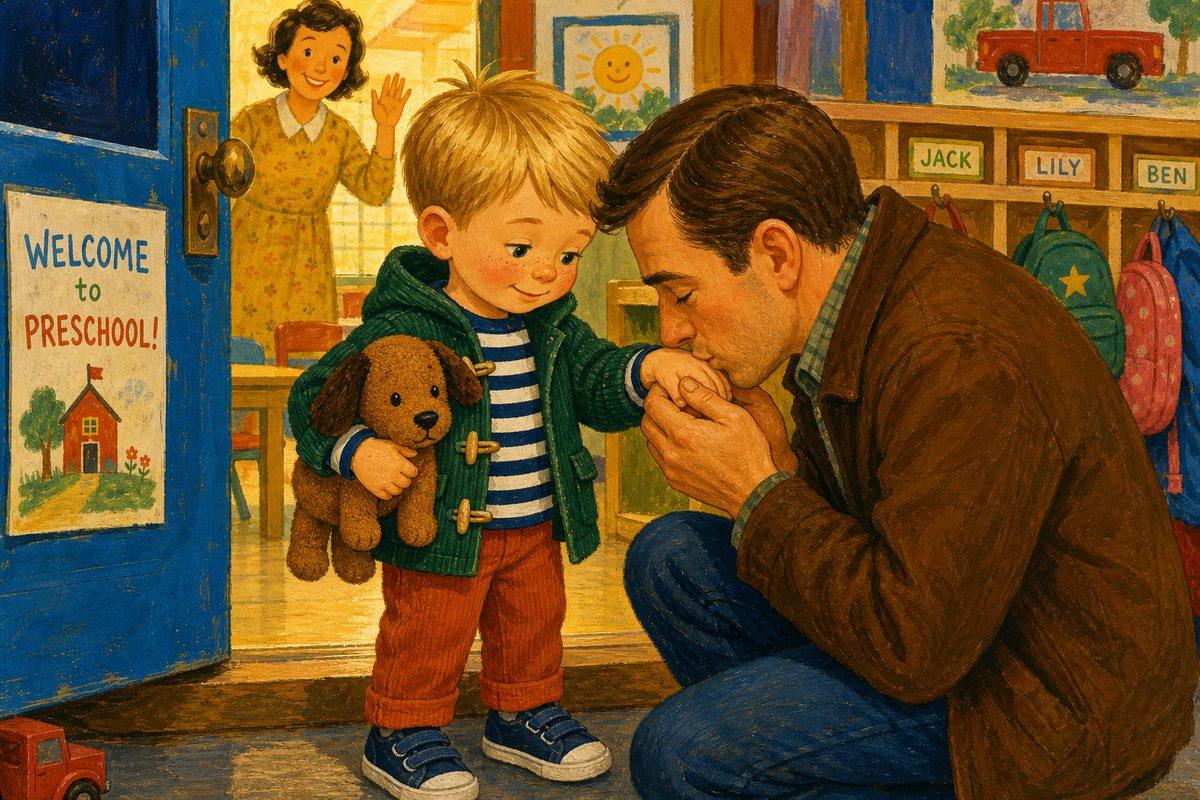
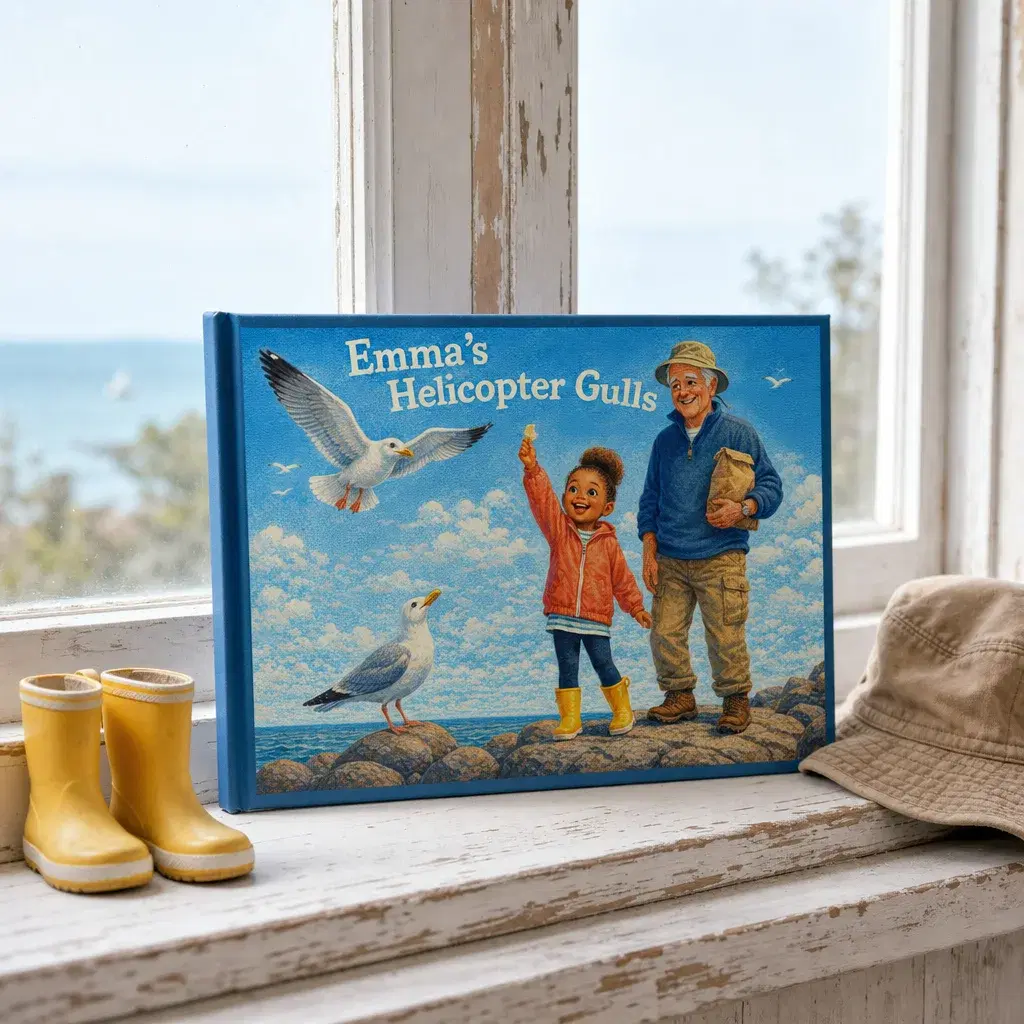
What this story is built to help with: Saying goodbye at drop-off, naming big feelings, and trusting that you always come back.
Why a book where your child is the hero helps with separation anxiety
Underneath every good separation-anxiety book is one quiet mechanism: rehearsal. Before the real morning ever arrives, your child gets to feel the hard part in a safe place — the tight tummy at the daycare door, the arms that don't want to let go — and then watch it resolve: the goodbye ritual, the wave, the good day, the reunion at pick-up. The scary part happens first on the page, in kid-sized time, with an ending she can count on. That's not a nice-to-have. Reading books about child care and about starting school sits on the pediatricians' own prep lists — because a story lets a child meet the goodbye before she has to live it. [2, 4]
A lovely generic goodbye book gives her a brave raccoon or a worried little mouse to watch. A personalized book gives her herself. When the hero has your child's name and your child's face, the rehearsal stops being something she observes and becomes something she does — 'that girl at the door was brave' quietly becomes 'I am brave.' It's the same story, told in the first person. In one study of toddlers reading with a parent, children and grown-ups shared noticeably more smiles and laughs over personalized books than over the same stories un-personalized — a small, warm sign that seeing yourself on the page is what pulls you in. [7]
And the reassurance lands twice. Once from a hero who is unmistakably her — she has already been the girl who felt the wobble and still made it all the way to pick-up. And once from you, reading it on your lap the night before, your voice carrying the words 'I always come back.' The book sets the scene; your steady, short goodbye and your kept promise are what make it true. That's the real magic — not the book instead of you, but the book plus you, rehearsing the hard goodbye together before it's ever real. [1]
Quick answers
Does a book actually help with separation anxiety, or is that wishful thinking?
It really is one of the standard tools. Reading books about child care and about starting school shows up on the AAP's, PBS's, and Zero to Three's own prep lists — because a story lets your child meet the hard moment ahead of time, in a safe, familiar place, and see it end well. The key is to use it as a rehearsal, not just a distraction: talk about the feelings, then play-act the goodbye.
When should I start reading it?
Weeks before the first morning, not the night before. And read the same one on repeat — hearing a story again and again is genuinely comforting to little kids, and the familiarity is doing quiet work every time you turn the pages.
My child still cries even after we read it. Did it not work?
The tears aren't a sign of failure — they're normal, and they're not a reason to sneak out or linger. Say a warm, short goodbye and go, and keep your promise to come back at pick-up. Every kept reunion builds the trust that the next goodbye leans on. The book is planting the seed; your steadiness is what grows it.
Isn't a personalized book just a gimmick?
The classic picture books are wonderful, and we'd never tell you to skip them. A personalized version just adds one thing: it makes the brave kid on the page unmistakably your child, so the rehearsal happens in the first person. Research-informed, not magic — and it works because of the book and you together, not instead of you.
What age is this for?
Roughly one to five. The toddler years (about one to three) are the peak of drop-off protest, but a first-day story helps right up through the kindergarten start — you just make it simpler and more repetitive for the youngest, and more plan-and-talk-it-through for the older ones.
Who’s behind this
I'm Dao, and PlotJoys grew out of my own hard goodbyes at daycare. I couldn't always be there in the moment, but I found I could give my daughter a story where she was the hero who felt the wobble and still made it to pick-up. That's what we build: not a screen to distract your child, but a book that rehearses the hard part alongside you — so the brave kid on the page is unmistakably yours, and the steady goodbye is still all you. — Dao
Tell us the moment in a sentence or two, add a photo, and see them drawn as the hero.
Keep reading
The research, if you want it
- American Academy of Pediatrics, HealthyChildren.org — "Soothing Your Child's Separation Anxiety"
- American Academy of Pediatrics, HealthyChildren.org — "Preparing Your Child for Child Care"
- Zero to Three — "Preschool Prep: Helping Toddlers Prepare for Preschool"
- PBS KIDS for Parents — "Helping Preschoolers Cope With Separation Anxiety"
- Nemours KidsHealth — "Separation Anxiety"
- Zero to Three — "Books About Feelings for Babies and Toddlers"
- Kucirkova, Messer & Whitelock (2013) — "Parents Reading with Their Toddlers: The Role of Personalization in Book Engagement," Journal of Early Childhood Literacy